
Comox access fee waived over shoreline-development public interest
The $2,250 charge fell away despite the town’s earlier public engagement.
Search
The $2,250 charge fell away despite the town’s earlier public engagement.

The tribunal found no public-service jurisdiction and, separately, no demonstrated public-health danger from a strike.

Competitor concerns did not establish harm from the specific information at issue.

Noise checks, emergency planning and reclamation security accompany approval; the ruling does not authorize the data centre itself.

Saskatchewan review protects engineering advice and analysis but rejects blanket withholding of a 20-page record.

A B.C. consent order gives revised concentrations regulatory effect while the director considers permit revisions, including through First Nations consultations.

The Environmental Appeal Board ordered limited disclosure from Encorp and the ministry, while excluding consultants’ material outside Encorp’s care or control.

The court found no pleaded legal benchmark for reviewing this policy decision, without endorsing its merits or ruling that executive policy is immune from review.

Appeal court says the regulator must balance cost, environmental responsibility and reliability; an updated application remains possible.

Alberta’s regulator reduced some counts but rejected the company’s due-diligence position.

The Federal Court of Appeal says federal UNDRIP legislation did not impose the additional obligations asserted by Kebaowek First Nation in this approval dispute.

The defendants said the rectification claim was two days late and inadequately pleaded. The court found that the limitation and contract questions required fuller examination.

The Divisional Court dismissed a stay appeal for lack of jurisdiction, without deciding contamination, guilt or the lawfulness of the underlying environmental order.

The constitutional ruling applies to the parties and revokes two interim service orders; the labour agreement had already been settled.

Labour board rejects more time for a customer-risk review, while leaving the broader legal question about suppliers unresolved.
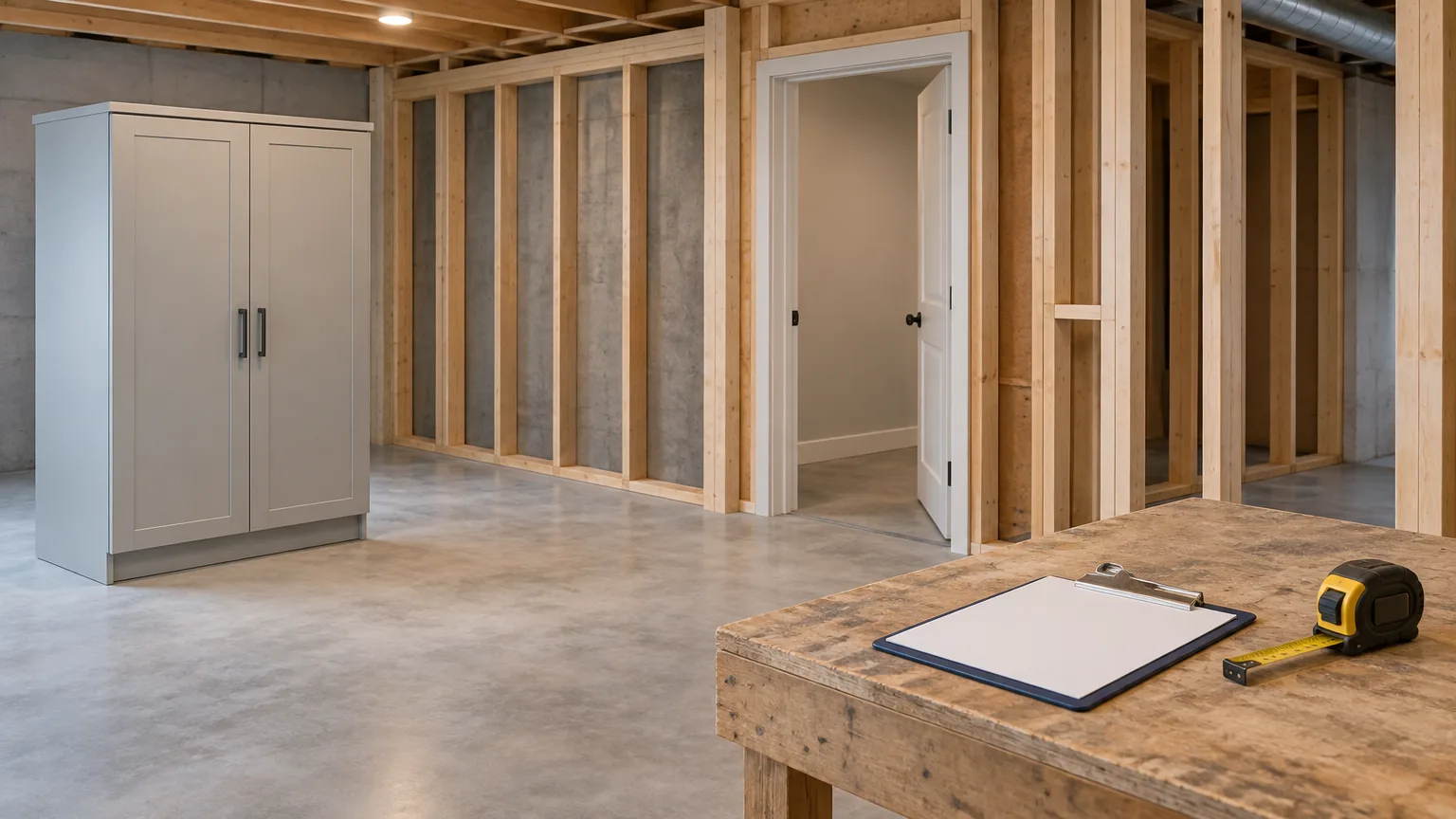
Temporary vacant possession is available only if the owners miss the removal deadline; remediation expenses remain unresolved.

Below-market rent, repair spending and plans to renovate after vacancy did not justify setting aside the order; the landlord was given one month from the decision to finish the…

An older aggregate-crushing permit did not authorize grading and stockpiling outside the approved footprint.

The commission found that the company had not disproved a defensive purpose, but its urgent need for funds and lack of reasonable alternatives defeated the challenge.

Ontario’s privacy adjudicator found that nine records would reveal Cabinet deliberations; the public-interest override could not displace that exemption.

The board found Indigenous consultation adequate and left other permits and environmental conditions in place.

The Commission ended the interim-tolls hearing, rejected calls for further process and accepted uncommitted access measured over time rather than guaranteed every month.

The court rejected treaty challenges to emergency-kill deductions, unused-credit resets and additional review, while emphasizing continued dialogue among wildlife-management…

A mixed access ruling requires evidence of adequate searches, renewed discretion and disclosure of attachment names, while leaving a separate legal-services exemption for further…

West Coast Reduction won a jurisdiction ruling, not an extension of the two expiry dates it sought to change.

The Information Commissioner also directed a fresh public-interest assessment of protected discharge details.

The energy board approved most of the utility’s 2026 capital plan but required clearer cost evidence, earlier notice of major project changes and specific tracking of…

The B.C. appeal board cancelled one permit-contravention finding and removed a separate finding of deliberateness, while confirming the rest of the decision.

The appeal board weighed accommodation against conservation concerns, while rejecting the argument that an expired permit automatically ended the appeal.

B.C.’s Environmental Appeal Board found insufficient evidence of irreparable harm and emphasized security’s role in protecting the public from unexpected environmental costs.

Appeal board reduced the risk-based penalty while upholding a reporting fine and leaving any approval for the extra lagoon to the regular permit-amendment process.

The B.C. appeal board required evidence of likely physical effects on their land, while distinguishing the threshold ruling from approval of the wider housing development.
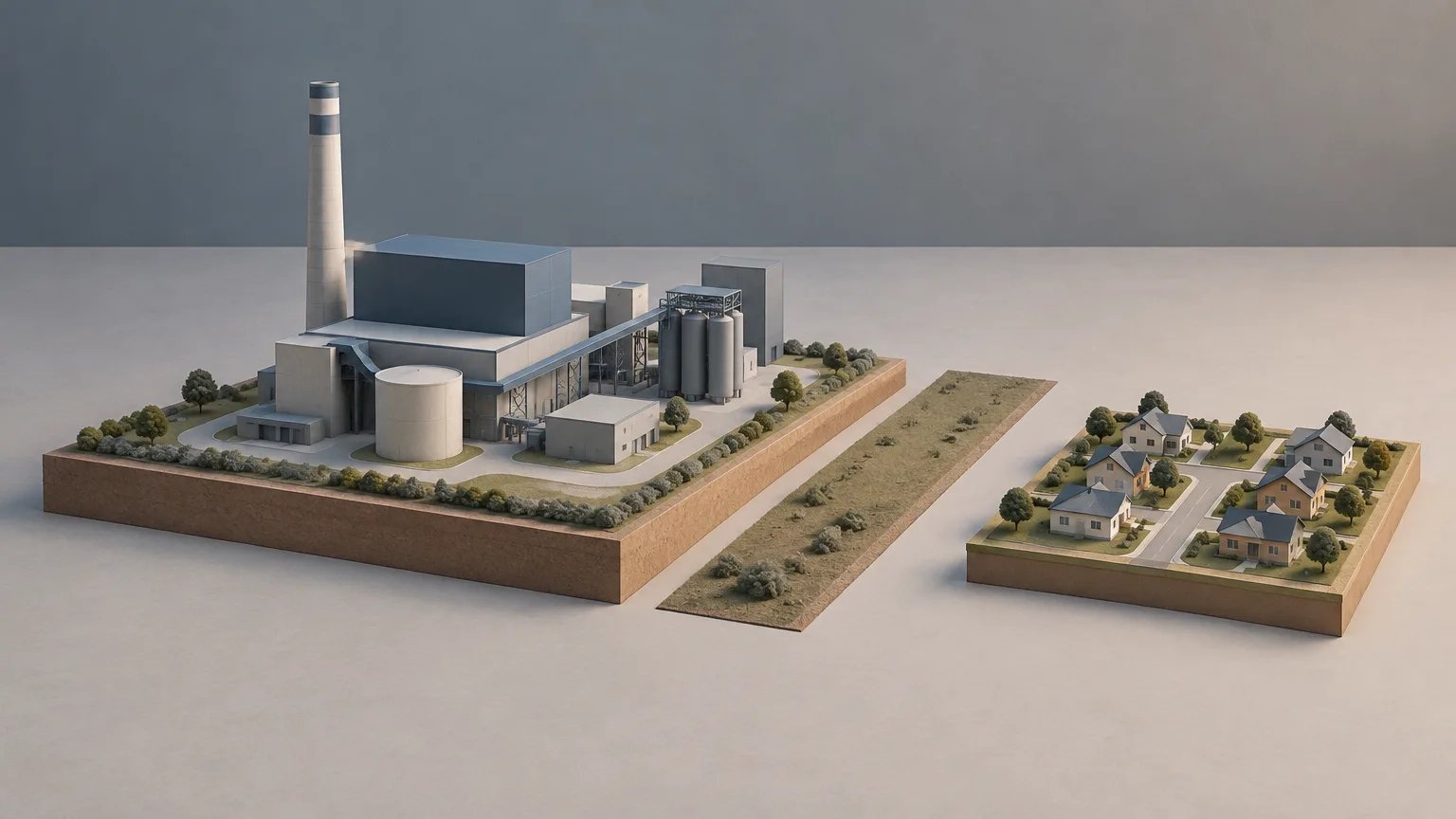
Technical mitigation and light-industrial zoning did not establish a compelling case for the proposed power plant beside an established community.

Tataskweyak Cree Nation’s consultation challenge fails after judge distinguishes historical project impacts from new effects of the final licence.

The appeal board left $71,306 in penalties after rejecting one alleged breach and removing an unsupported economic-benefit adjustment.

Saskatchewan labour board upholds a $5,958.19 wage assessment, finding the employer failed to establish just cause after a single positive test.

The Environmental Appeal Board found that notice to the regional district’s environmental staff was sufficient and that compliance spending did not justify cancelling the penalty.

The commission distinguished Crown-timber damage from likely harm to fish or habitat, preserving the penalty total while correcting overlapping legal grounds.

A reasonable link to property impacts was required before the tribunal could examine the permit’s merits.

An adjudicator found that reliance on a 2011 low-risk classification failed to account for credible flooding evidence, but rejected six other grounds of appeal.

Alberta’s top court upheld the director’s conclusion that she lacked authority to require a new environmental assessment for the Three Sisters development, while rejecting…

IRAC upheld rezoning of a 34-acre parcel for eventual residential development, without granting final subdivision or building approval.

The Ontario Securities Commission sought recusal over its own witness. The adjudicator found that their ongoing social relationship could affect how an informed observer viewed…

The court rejected challenges over downstream emissions, shipping and Indigenous consultation, while stressing that participants must raise assessment concerns meaningfully and on…

Minister must reconsider the permit without treating earlier environmental approval as a substitute for the species-protection analysis.

Tribunal rejected unsupported fire-protection and land-use grounds, while preserving the distinction between a development agreement and later project permits.

A $1,275 surcharge was added despite no evidence of environmental damage or personal harm.
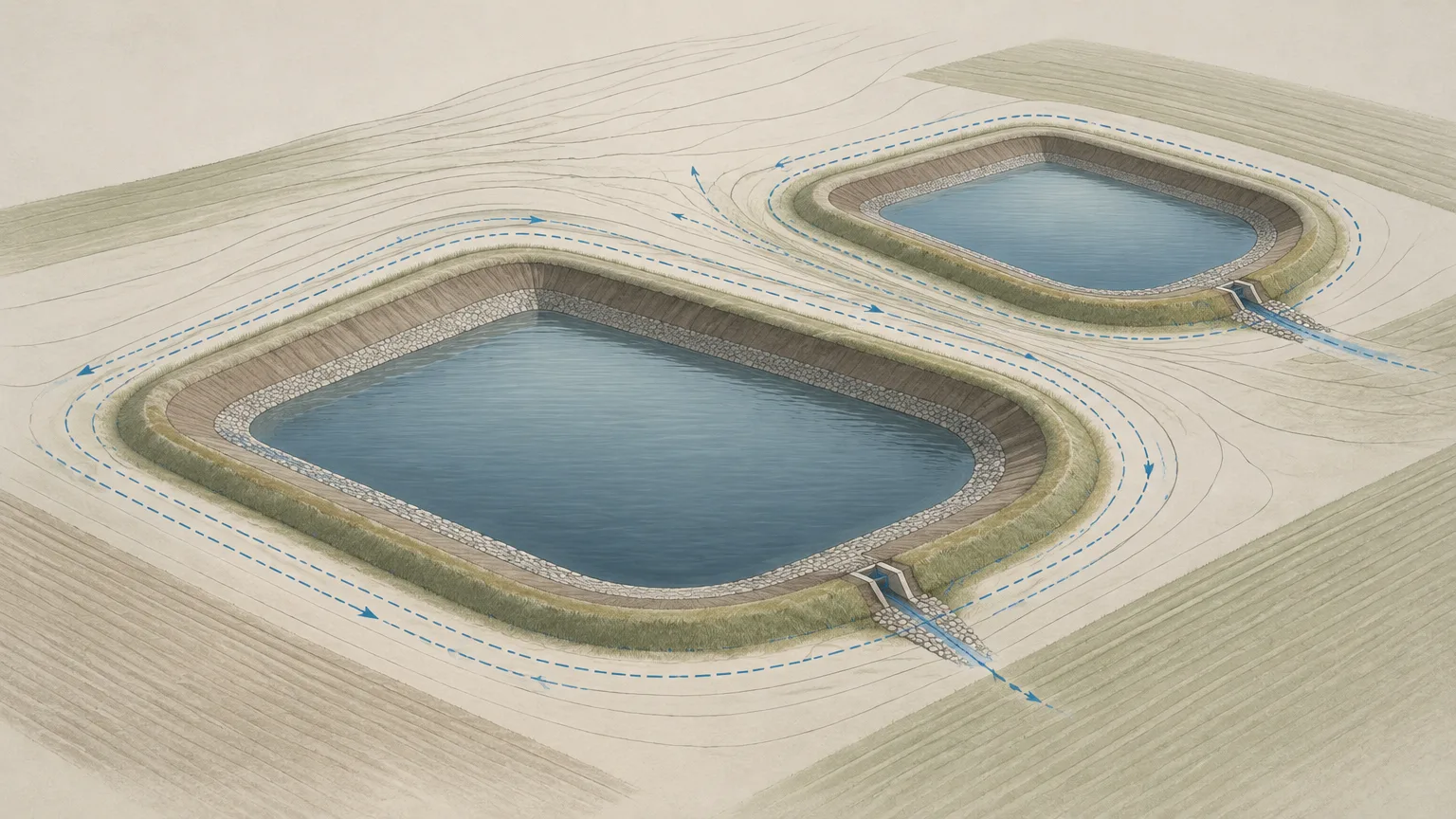
The board relied on engineering evidence and kept safeguards requiring provincial review and remedies if neighbouring land is affected.


The court looked beyond the usual tariff to treaty significance and litigation complexity, while protecting an unlabelled settlement bill.