Ontario’s Divisional Court upheld the revocation of Platinum Cars Inc.’s registration as a motor vehicle dealer and Shaun Jalili’s registration as a salesperson. The dealership’s handling of an $85,000 used BMW sale was one of several breaches that persuaded the Licence Appeal Tribunal that further conditions would offer consumers inadequate protection.
In Platinum Cars Inc. et al v. Motor Vehicle Dealers Act, 2026 ONSC 6212, the three-judge panel dismissed both the appeal and a motion to introduce a repair invoice. It ordered the appellants to pay the registrar $27,500 in costs, the inclusive amount the parties had agreed would go to the successful party.
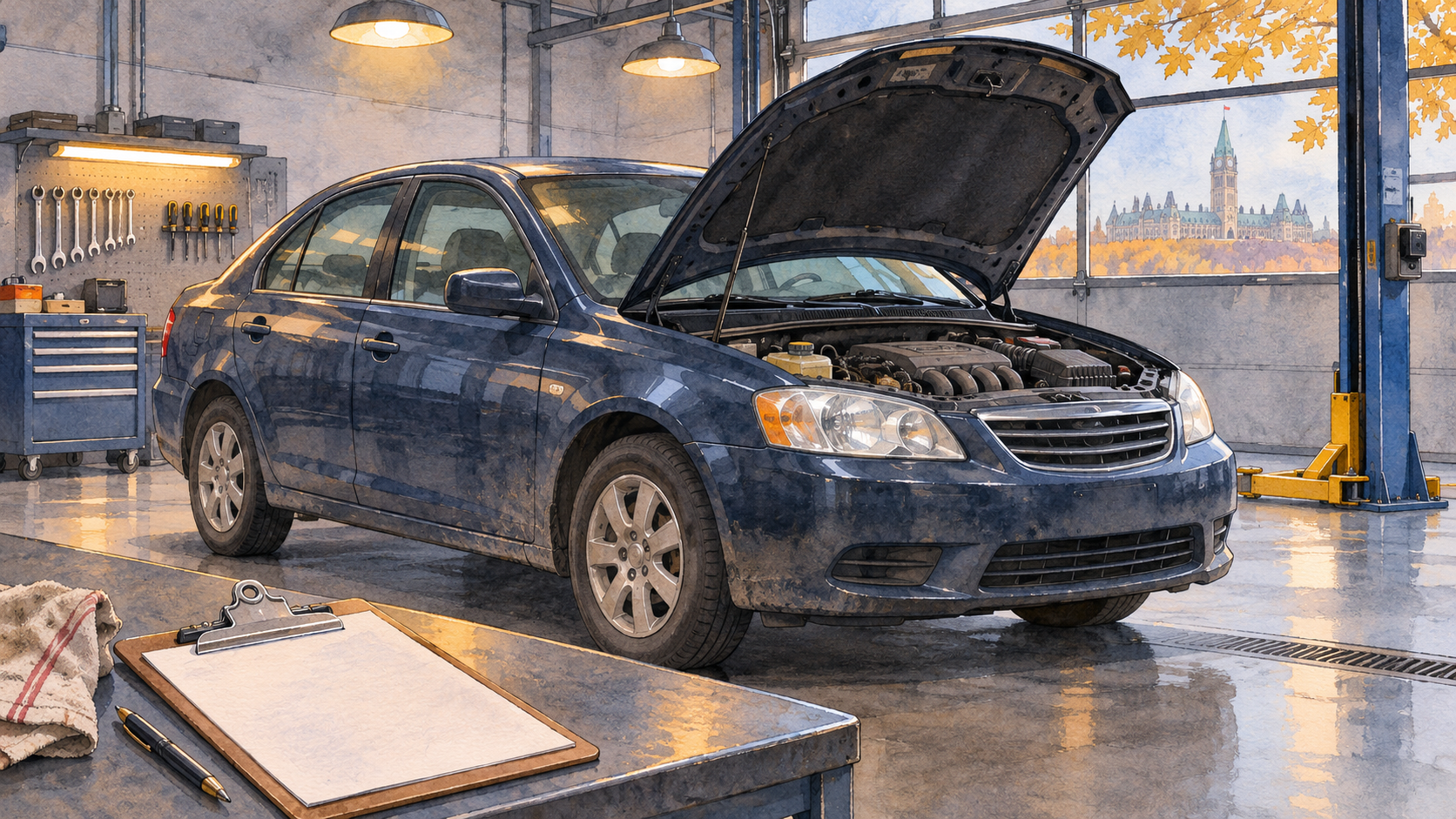
Platinum and Jalili, its sole officer and director, had kept their registrations under a May 2021 consent order that imposed conditions. One required Platinum to put material facts about a vehicle in writing on its bill of sale. After a nine-day hearing on a subsequent proposal to revoke the registrations, the tribunal found that Platinum had sold the BMW without disclosing a significant prior coolant problem.
The buyer testified that a low-coolant warning appeared shortly after she collected the car and persisted despite repeated top-ups. When she contacted Jalili, he told her that her mechanic had found nothing wrong and offered a free oil change. Jalili testified that the mechanic had actually told him the cause of the problem was unknown. The tribunal found that Jalili had misrepresented what the mechanic said and that the appellants’ investigation of the complaint was inadequate.
On appeal, Platinum and Jalili sought to introduce a February 2020 BMW dealership invoice to show that the cooling system had been repaired before the sale. The registrar had already disclosed the invoice on page four of a 25-page package, four months before the tribunal hearing resumed. The appellants had also been told that the BMW dealership required a summons to release its record, but they had never asked the tribunal for one. The court found that reasonable diligence would have allowed them to put the invoice before the tribunal.
The court also found that the invoice could not have changed the result. Even if the repair had taken place, it would not answer the findings about what Platinum disclosed at the sale or how it responded when the buyer reported continuing coolant loss. Other breaches concerned trading before completing a required certification course, failing to complete other mandatory training and failing to supply headlights to a different customer within the 30 days specified in the consent order.
The tribunal had considered another conditional registration. It concluded that the appellants’ record gave it little reason to expect compliance. The court found that the tribunal had explained its choice of sanction and saw no error in principle or basis to overturn the revocations.