A GFL used-oil collection operation in Lévis will not be subject to essential-service requirements in the event of a strike, Quebec’s labour tribunal has ruled.
In its October 29, 2026 decision in GFL Environmental services inc. c. Syndicat des travailleurs et travailleuses de Veolia – Division des huiles usées Lévis – CSN, dossier 1486540-71-2607, the Tribunal administratif du travail found that the operation was neither a public service listed in the Labour Code nor sufficiently similar to one to fall within its essential-services jurisdiction.
Administrative judge François Beaubien also reached an alternative conclusion: even if the operation qualified as a public service, the evidence did not establish that a strike could endanger public health or safety.
The decision does not exempt industrial customers from environmental storage rules, and it does not announce that a strike has begun.
Industrial waste, not household garbage
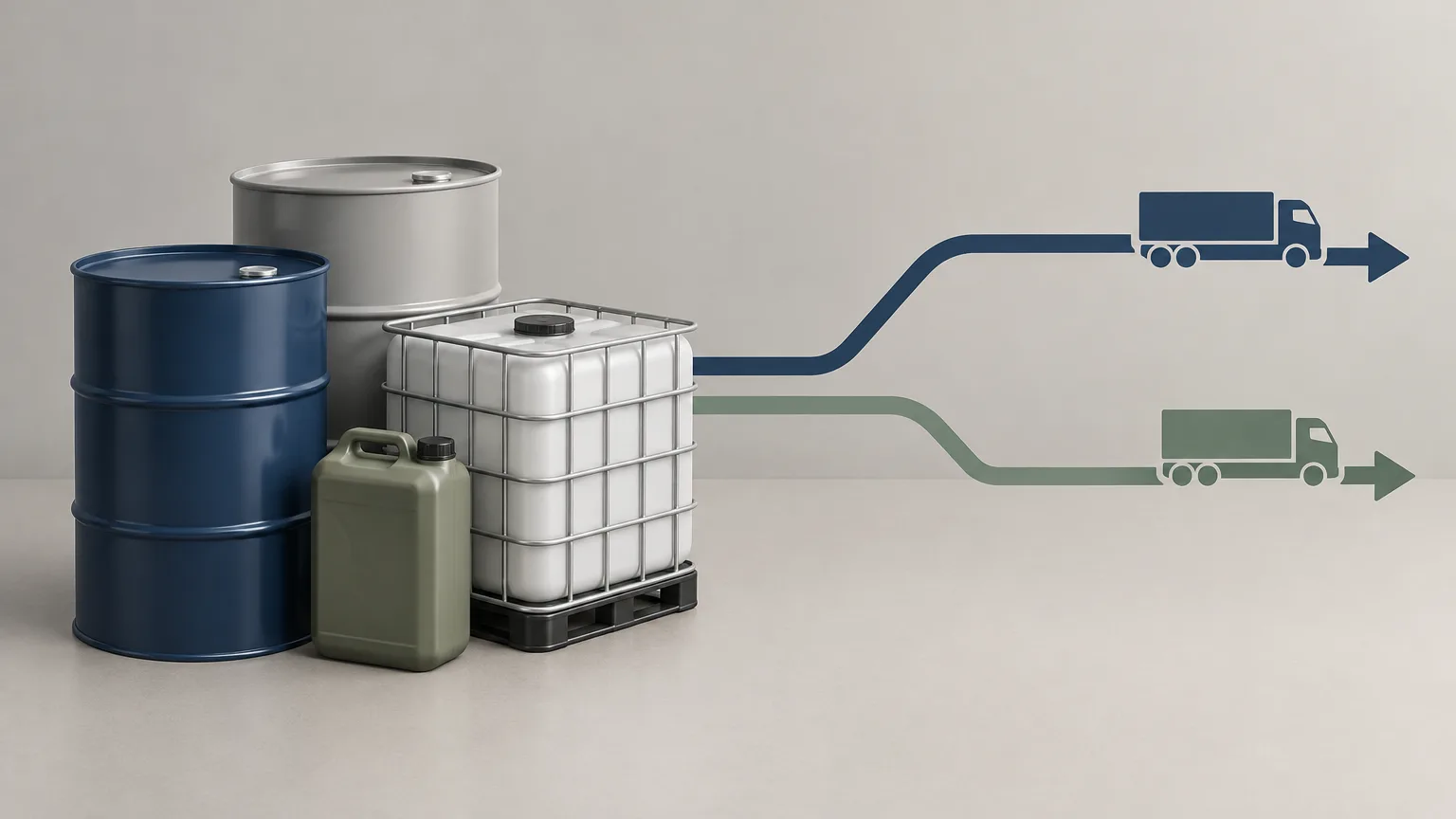
The operation collects used oils, oil filters, aerosol containers and plastic containers that have held oil or antifreeze. Its customers are commercial or industrial organizations, with collections ranging from weekly to once every six months.
The bargaining unit covers 15 employees: 11 drivers who operate collection trucks and four labourers who unload them and prepare them for the next day. The tribunal began its examination in July to determine whether a strike could threaten public health or safety.
GFL argued that even a temporary interruption could fill storage facilities at garages and workshops, disrupt their activities and increase spill and contamination risks. It described collection as a strategically important link in the recycling system.
The union disputed those predictions. It pointed to customers’ existing storage arrangements, alternative collectors and previous collection delays. It also distinguished its members’ transport and unloading work from operations elsewhere that actually treat waste.
Two separate thresholds
The Labour Code identifies certain waste businesses as public services. But the wording matters: while it uses a broad reference to waste for incineration, the collection and transport provisions specify categories such as household garbage and biomedical waste.
The used oils, filters and contaminated containers collected here came from commercial or industrial activity, not households. They therefore did not fall within the household-garbage category, the tribunal held.
A business outside the list can still be treated as analogous to a public service. That assessment considers matters such as a traditionally public mission, service to a community, importance in daily life, continuity, essential needs and available substitutes.
The tribunal found that this operation lacked those characteristics. It did not directly provide essential daily services to the general public, and several businesses offered alternatives.
Storage obligations remain with customers
That jurisdictional conclusion was sufficient to resolve the case. The tribunal nevertheless examined public danger as an alternative ground.
Essential-service restrictions require a real threat to public health or safety, not merely hypothetical risks or the inconvenience inherent in a strike. The power must be exercised cautiously because it limits the fundamental right to strike.
The evidence showed that customers remained responsible for safely storing and disposing of their hazardous materials. GFL’s relevant role was collection and transport, not management of the risks associated with customers’ temporary storage.
If customers reached their storage capacity during a strike, they would have to arrange another transporter or, if necessary, temporarily suspend their activities. A stoppage would not create a new or increased legal responsibility: the same environmental obligations would continue.
The tribunal therefore declared that GFL and this particular bargaining unit were not required to maintain essential services under article 111.0.17. The result is specific to the operation and evidence before it, not a finding that all hazardous-waste services fall outside essential-services rules.