Alberta's utility regulator has conditionally approved a 920-megawatt natural-gas power plant intended to supply a proposed artificial-intelligence data centre near Gibbons, finding its benefits outweighed environmental and other adverse effects after considering mitigation, regulatory oversight and Indigenous consultation.
The Alberta Utilities Commission's October 23 ruling in Heartland Power Generation LP and Northbridge Power GPC Inc., Decision 30518-D01-2026 authorizes construction and operation of the Beacon AI Centers–Heartland Project Thermal Power Plant. It does not approve the associated data centre. Other permits, approvals and regulatory requirements remain separate.
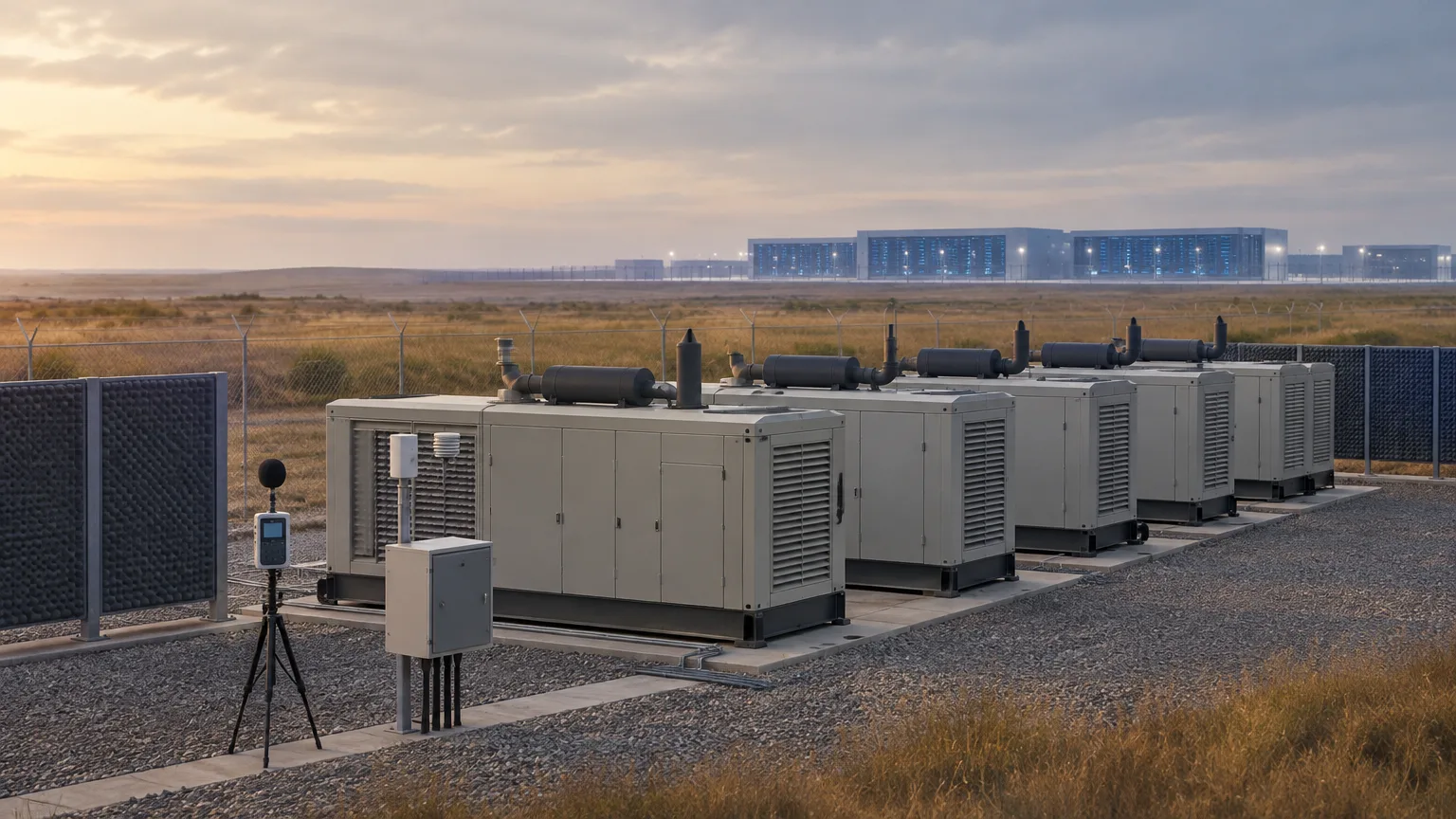
The plant, planned for the Industrial Heartland in Sturgeon County, would use 200 gas engines arranged in 40 modules. Its nominal generating capacity is 920 MW, with about 800 MW intended to serve the co-located data centre under normal operating conditions. A possible future grid connection has not been designed and would require separate regulatory applications.
Samson Cree's opposition and the consultation finding
Samson Cree Nation opposed approval, raising concerns about environmental degradation, cumulative industrial impacts and the exercise of Aboriginal and Treaty rights. Four other Indigenous groups that participated ultimately withdrew and advised that they did not object to the proposal. The commission said those withdrawals did not prevent it from considering relevant concerns in its broader public-interest assessment.
Samson Cree described the region as an interconnected cultural and ecological landscape used for harvesting, ceremony and passing knowledge between generations. Its concerns included water contamination, habitat loss, air emissions and the limits of studying the power plant separately from the larger data-centre development.
The commission found that the duty to consult Samson Cree was triggered. It nevertheless assessed the likely adverse effect on the exercise of its rights as low, and the legally required consultation as no higher than the middle of the consultation spectrum.
That conclusion depended on the evidence about this site and proposal. The commission accepted the Nation's historic and possible contemporary exercise of rights nearby, but found insufficient specific evidence of current use of the project footprint or how particular rights-related activities would be displaced. It also relied on the privately held, previously farmed site's industrial setting and on measures addressing off-site effects.
Samson Cree had told the commission that limited investigation timelines made it impossible to identify specific areas of past and current use. The commission acknowledged the value of earlier engagement, while finding that the process actually provided satisfied the Crown's consultation duty. It pointed to notice, meetings, capacity funding, participation rights, written evidence, a site visit and oral Indigenous Knowledge sessions with Elders and Knowledge Holders.
The decision did not end the need for engagement. Heartland committed to continuing consultation through the project's life, and the commission treated those commitments and its conditions as important to reducing potential effects.
Environmental effects accepted, not dismissed
The commission found the plant's residual environmental effects acceptable in light of its design, mitigation and the Industrial Heartland's regional planning and monitoring systems. It emphasized that its approval does not replace oversight by other regulators.
The air-quality analysis predicted exceedances of provincial objectives for fine particulate matter, largely attributable to existing background sources. Samson Cree challenged adding emissions to an already affected airshed and stressed the difference between modelling and real-world conditions. The commission relied on Alberta Environment and Protected Areas' oversight, regional air-monitoring arrangements and the developer's monitoring commitments in accepting the plant's contribution.
The commission also accepted that removing wooded habitat is an adverse effect that cannot be answered simply by describing the land as previously cultivated. On balance, however, it found that loss did not justify rejecting the project, considering the location and wildlife mitigation. It relied on a Water Act approval, wetland offsets and project commitments in addressing wetland impacts.
Heartland estimated annual operational greenhouse-gas emissions at approximately 4,401 kilotonnes of carbon-dioxide equivalent. The commission considered the plant as proposed, not speculative future hydrogen, offsets or carbon-capture options, and concluded its emissions would be managed under the existing regulatory framework.
Conditions before construction and after operation
Northbridge, the general partner and approval holder, must file its final project update at least 90 days before construction. That filing must include a noise assessment based on the final design, examining the plant and data centre operating together and identifying the measures needed to meet the commission's noise rules.
The required mitigation must be implemented. A report is due within 30 days after the facilities begin concurrent operation. Within six months after concurrent operation begins, Northbridge must complete a field study and prepare an updated noise assessment using measured equipment sound levels. Additional mitigation and an implementation timetable must be filed if needed for compliance.
A project-specific emergency response plan is also due at least 90 days before construction. It must be reviewed with Sturgeon County Emergency Services and other relevant authorities, maintained through construction and operation, and include notification to Samson Cree of incidents that could affect water quality in the North Saskatchewan River system.
The commission accepted a 20-year schedule for building reclamation security but required further approval of the arrangement protecting those funds. Security must reach five per cent of the latest independent cost estimate by the end of the first operating year and the full amount by the end of year 20. Estimates must be updated every five years without deducting expected salvage value, and security must remain until a reclamation certificate is issued.
The proposed beneficiary was affiliated with the project owner. The commission requested further discussions about a municipal or independent beneficiary, or an explanation of how the funds would remain protected if the parent company became insolvent.
The regulator counted employment, economic activity and on-site electricity supply as benefits. It gave less weight to specific economic forecasts that Samson Cree had not been able to test, and to benefits dependent on the data centre, a future grid connection or other facilities outside the application. The result is a conditional power-plant authorization, not a finding that every component of the larger development is approved or operating.