A Toronto homeowner has won an order confirming a permanent right of way across a neighbour's property to reach his garage, rather than access that would end when he sold his home.
In Cupillari v. Hanlon, 2026 ONSC 5490, released October 13, 2026, Ontario Superior Court Justice G. Dow ordered the Land Titles Register rectified to reflect the permanent right. Alessandro Cupillari must pay the registration expense, and neither side can recover litigation costs from the other.
A parking-pad sale behind the dispute
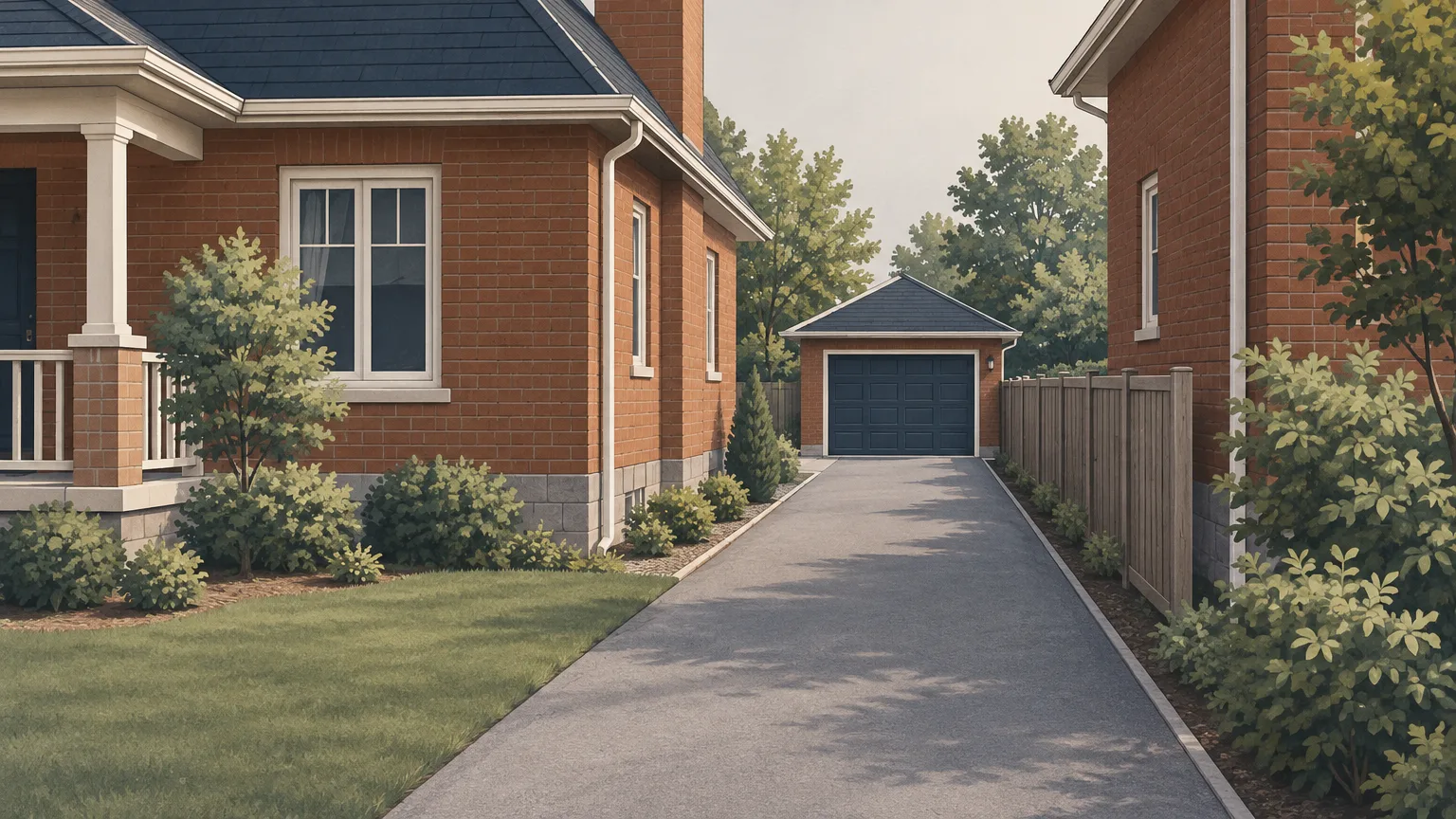
The case concerned neighbouring homes in Toronto's Baby Point area. A paved strip approximately 55 feet long and nine feet wide across Patricia Hanlon's property provides the only vehicle route to Cupillari's garage.
Cupillari formerly owned a smaller parking pad, approximately 16 feet by nine feet, beside his existing right of way. Its position allowed him to park on it and block what appeared from the street to be Hanlon's driveway.
Litigation begun in 2009 ended with an October 2013 settlement. Cupillari agreed to sell the parking pad to Hanlon for $45,000. That amount was the historical sale price, not damages awarded in this proceeding.
The settlement provided garage access while allowing Hanlon to park on the strip, provided she moved her vehicle on request. It also permitted a structure above the route if it did not impede vehicle passage. The later disagreement was whether the access belonged permanently to Cupillari's property or lasted only while he owned it.
Registration attempts left the issue unresolved
A January 2014 easement document contained no time limit, but the Land Registry Office rejected it because a reference plan was required. A later notice included wording limiting access to the period when Cupillari remained a registered owner.
That registration was withdrawn in April 2016, apparently because it described a personal right resembling a licence rather than an interest in land. The issue resurfaced in 2025. Cupillari's position was that the document needed to preserve access after a sale of his home.
Why the court found a permanent right
Dow applied contractual-interpretation principles requiring the settlement to be read as a whole, using ordinary meaning and the circumstances known when it was made, while avoiding commercially unreasonable results.
The respondents relied on references to Cupillari personally, rather than his property, and wording linked to his continued ownership. Dow rejected that interpretation. The settlement's purpose was to remove Cupillari's ability to block the driveway while preserving the property's garage access. The garage continued to exist, and the circumstances did not suggest it was unsafe or slated for removal in a way that might explain temporary access.
Hanlon argued that paying $45,000 made little commercial sense if the land remained subject to permanent access. The judge disagreed: acquiring the parking pad removed the other owner's ability to block the rest of the paved strip, giving the purchase a practical benefit.
Although Cupillari's side tendered negotiation emails, Dow expressly agreed that evidence of specific negotiations is generally inadmissible when interpreting a contract. His analysis centred on the settlement and surrounding circumstances, not treating those emails as decisive proof.
The later registration wording was not irrelevant. Dow accepted evidence that Cupillari's former lawyer's efforts had contradicted his instructions, but cautioned that the result would likely have been different had that notice been accepted for registration.
Other objections and the final order
The court rejected the argument that Hanlon's acquisition of the parking pad extinguished the easement through merger of ownership. Cupillari's rights beyond the pad were unaffected, and the settlement itself preserved passage over the transferred land.
The respondents also raised a two-year limitation period and delay. Dow said that, if his interpretation of the settlement were wrong, rectification would give effect to the parties' true intentions. He rejected the delay objection, finding Cupillari had consistently understood his access to be protected and brought the application when advised it was not registered. The reasons do not establish a general exemption from limitation periods for property disputes.
Although Cupillari succeeded, Dow noted that a conflict involving former counsel had complicated and delayed the application. He ordered no recoverable litigation costs for either side. The relief is an order for permanent access to be reflected on title, with registration at Cupillari's expense; the decision does not establish that registration has already been completed.