Condominium owners in Stoney Creek have been ordered to remove unauthorized basement renovations and pay $20,000 in legal costs, with their condominium corporation entitled to temporary vacant possession for remediation if they do not comply.
In Wentworth Condominium Corporation No. 276 v. Azimi, 2026 ONSC 5742, Ontario Superior Court Justice M. Bordin gave the owners 30 days from the order to remove the modifications. The October 9, 2026 reasons also leave disputes over the corporation’s eventual remediation expenses for another hearing.
Basement work lacked approval
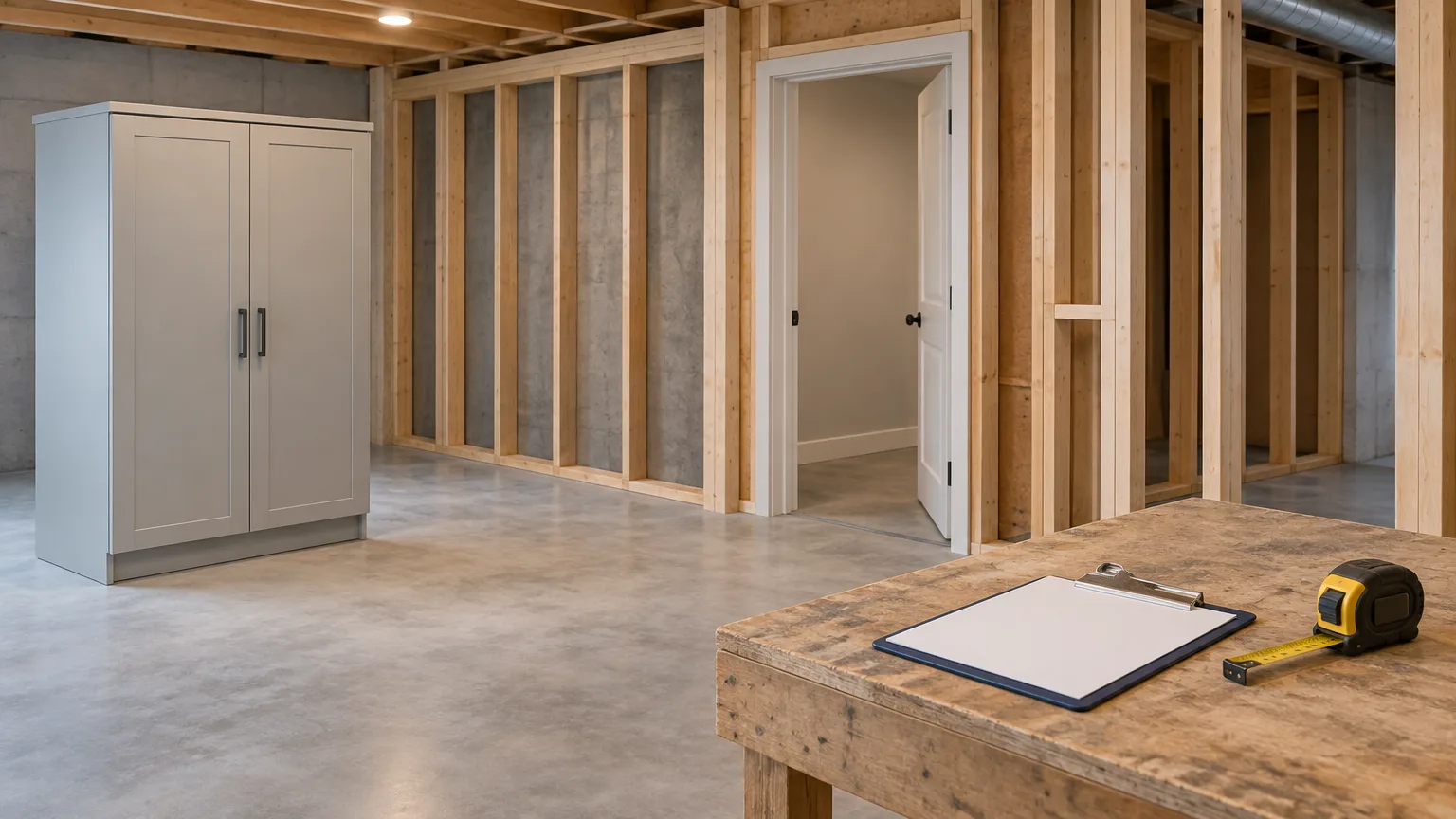
The owners acknowledged adding a basement washroom and kitchen without the corporation’s approval or a building permit. Authorities had not inspected the renovations.
After learning of possible alterations, Wentworth Condominium Corporation No. 276 sought information and consent to obtain architectural plans from the city. The owners did not provide the information and refused that consent. The corporation then retained engineers to inspect the unit.
The engineers reported that drywall blocked the stairs connecting the basement to the main floor, limiting escape from the basement, and that required fire dampers were absent. They also identified unsecured electrical wires, unsupported kitchen drain and water-supply piping, and drainage issues.
Correspondence from the owners’ legal representative in December 2025 and January 2026 indicated a willingness to make changes. The corporation received no further response or information.
Although the three owners had filed no materials, they attended the October 8 hearing. The judge accepted a letter, photographs and screenshots they brought, heard both sides and considered their submissions.
Not every safety concern was established
The Condominium Act prohibits conditions or activities likely to damage condominium property or cause injury or illness. Bordin accepted that the identified plumbing, electrical and ventilation problems, including significant risks of fire, property damage and blocked or burst pipes, breached that requirement.
The judge did not accept every concern raised by the engineers. Suggestions that the bathroom might increase the load on sanitary services, or that inadequately verified ventilation work might cause condensation, environmental growth or deterioration, did not establish a breach. The reasons distinguish those possibilities from the significant risks the court accepted.
The corporation’s declaration separately required prior written consent for specified alterations, including walls, doors, plumbing, electrical installations and other fixtures. It expressly excepted interior painting and decorating within its terms.
No permission had been sought for the basement kitchen and bathroom, electrical and plumbing work, an added lock on the common-element exterior basement door, or obstruction of the stairs. The judge found breaches of both the declaration and the Act’s compliance requirement.
Time to remove the modifications
The owners’ explanations that they were first-time buyers unfamiliar with the rules, and that other owners had renovated, were not defences. Their inability to afford removal did not entitle them to retain the work, but the court gave them time to dismantle it themselves.
They also said some renovations predated their purchase. They had not tendered evidence establishing that point. Bordin left open whether, if they later prove it, they can avoid responsibility for the costs of dismantling those particular alterations.
The removal order covers the basement bathroom and kitchen, obstruction of the stairs, added exterior patio-door lock, and unauthorized plumbing, electrical and ventilation modifications. The corporation or its agents may inspect the unit 35 days after the order, or later at a convenient time.
If the owners fail to remove the modifications within 30 days, the corporation may take temporary vacant possession at dates and times it determines, on 24 hours’ notice. That remedy permits reasonably necessary remediation by its contractors and other professionals, with items removed to storage as necessary to facilitate the work.
Costs reduced; remediation claims reserved
The corporation sought $32,545 in full-indemnity costs, arguing other owners would bear anything it could not recover. Bordin found that request unreasonable and fixed an all-inclusive $20,000 for the work covered by the bill to date, including work before the application. The amount may be added to the unit’s common expenses.
That award does not settle the eventual remediation bill. The remaining application, including claims for damages, losses, costs or expenses arising from work to address the modifications, may return on 10 days’ notice to the owners.