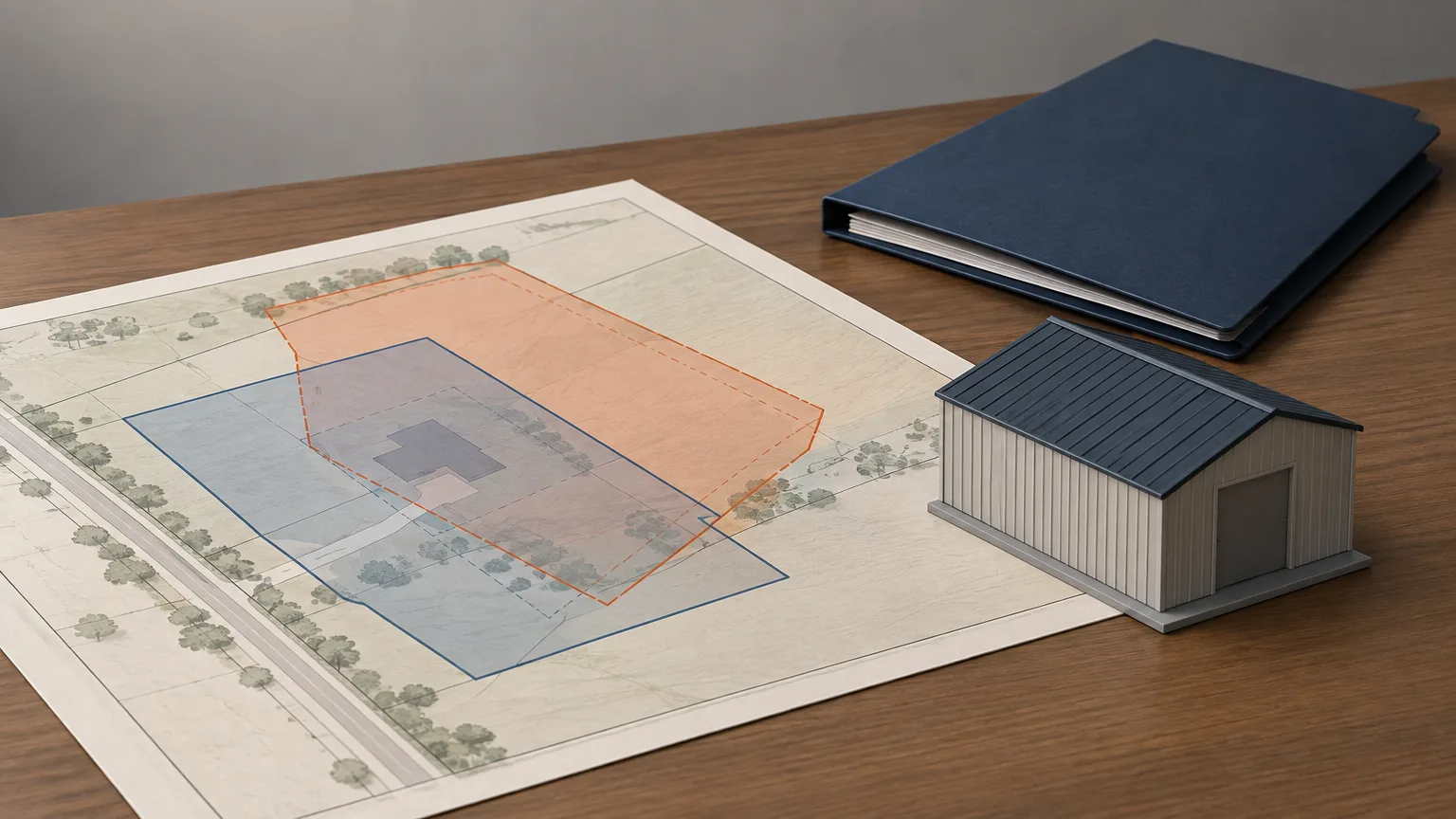
Nova Scotia’s Small Claims Court has dismissed a property owners association’s bid to collect unpaid dues because the claim required a decision about obligations attached to land ownership, an issue outside the court’s jurisdiction.
In Lake Mushamush Property Owners Association v. O’Connor, 2026 NSSM 44, decided September 25, 2026, adjudicator Tom F.G. Champion left the underlying dispute unresolved. He did not decide whether the owners owed dues or whether the association could enforce the covenant in another court with jurisdiction.
Dues claim relied on ownership
The association arranges maintenance of private roads and other common amenities in the Lake Mushamush area of Lunenburg County. It sought dues dating from 2021, together with interest and administrative charges, from two owners who acquired their property in 1999.
A clause attached to their deed said the purchaser or grantee agreed to join a lot owners association and comply with its rules and bylaws. The association’s July 2021 bylaws provided for membership of developed-property owners without formal admission.
The association alleged that work beginning in the fall of 2020, including construction of a driveway and preparation for a cabin, triggered the owners’ payment obligation. The owners disputed liability. Champion heard testimony and reviewed documents but made no finding about whether the property had been developed within the bylaws’ meaning or how much was owing.
The court had identified jurisdiction and a possible limitation-period issue at an initial appearance. After granting the association a short adjournment, Champion heard the matter on September 15. Jurisdiction had to be resolved before the merits.
A money claim can still require a land-rights decision
Section 9(a) of the Small Claims Court Act permits monetary claims arising in contract or tort, subject to the court’s monetary limit. Section 10(a), however, excludes claims for recovery of land or an estate or interest in land.
Champion explained that neither the presence of land in a dispute nor a request for money settles the jurisdiction question. What matters is the legal entitlement the court must decide to resolve the claim.
He contrasted two Supreme Court of Nova Scotia decisions. In Marchbank v. Rutherford, a damages claim over alleged misuse of a right-of-way required a determination of the scope of competing property interests. In Berrigan Surveys Ltd. v. Cranston, the central issue was a debt under a surveying-services agreement. Land was the subject of the professional work, but the payment claim remained contractual.
Here, the association expressly confirmed that it sought to enforce an obligation it considered part of the owners’ property interest. Its case depended on ownership itself making the defendants members bound to pay assessments, independently of any personal undertaking.
Before awarding money on that basis, the court would have to decide whether the deed covenant imposed an enforceable burden on the property and gave the association a corresponding enforcement right. That brought the claim within the statutory exclusion.
No blanket rule against association dues
The adjudicator also considered Greater Molega Lake Lot Owners Association v. MacClure, where assessments had been recoverable against an owner who personally signed an undertaking incorporating covenants. The claim against another owner without an equivalent undertaking had failed.
The Lake Mushamush deed did not contain the same personally executed undertaking by the grantees. But Champion stressed that the absence of a separate agreement or a grantee’s signature was not, by itself, decisive. A deed can contain a personal undertaking. The distinction was between enforcing such an obligation and enforcing a burden asserted to attach to ownership.
The dismissal was confined to the claim as advanced. It did not establish that association-dues claims or disputes involving deed covenants always fall outside Small Claims Court.
Champion dismissed the claim without deciding its merits and made no costs order. Whether the covenant binds the owners, whether the dues and added charges are recoverable, and whether any part of the claim is too old to pursue all remain undetermined.