The New Brunswick Court of Appeal has set aside a $175,273.37 default judgment against a construction subcontractor, finding it had several defences worth hearing in a dispute over materials supplied for a hospital expansion.
In Humaco Acoustique Inc. v. Kent Building Supplies, 2026 NBCA 96, reasons released August 20, 2026 explained the court’s June 30 decision reopening the case. The court did not decide the final balance owing or award Humaco damages.
The appeal concerned materials for the interior fit-up of an addition to Chaleur Regional Hospital in Bathurst. Kent Building Supplies, a division of J.D. Irving Limited, claimed an unpaid balance of $154,453.84. After Humaco failed to file its defence on time, a September 2023 default judgment added interest and required payment of $175,273.37, with further interest at 24 per cent annually.
A Court of King’s Bench judge refused to set aside the default in November 2025, concluding Humaco had not sufficiently supported a defence. The appeal court disagreed, identifying problems with the named plaintiff, the interest charges and the treatment of Humaco’s evidence.
A defence to try, rather than a case already won
The court applied an established approach that considers whether a defendant has a valid defence for trial, maintained an intention to defend, reasonably explained the missed deadline and sought relief within a reasonable time.
Humaco had intended to defend throughout, and Kent had not shown prejudice caused by the delay. In those circumstances, the decisive question was whether Humaco had a possible, adequately supported defence. It did not have to demonstrate that it would be entitled to summary judgment.
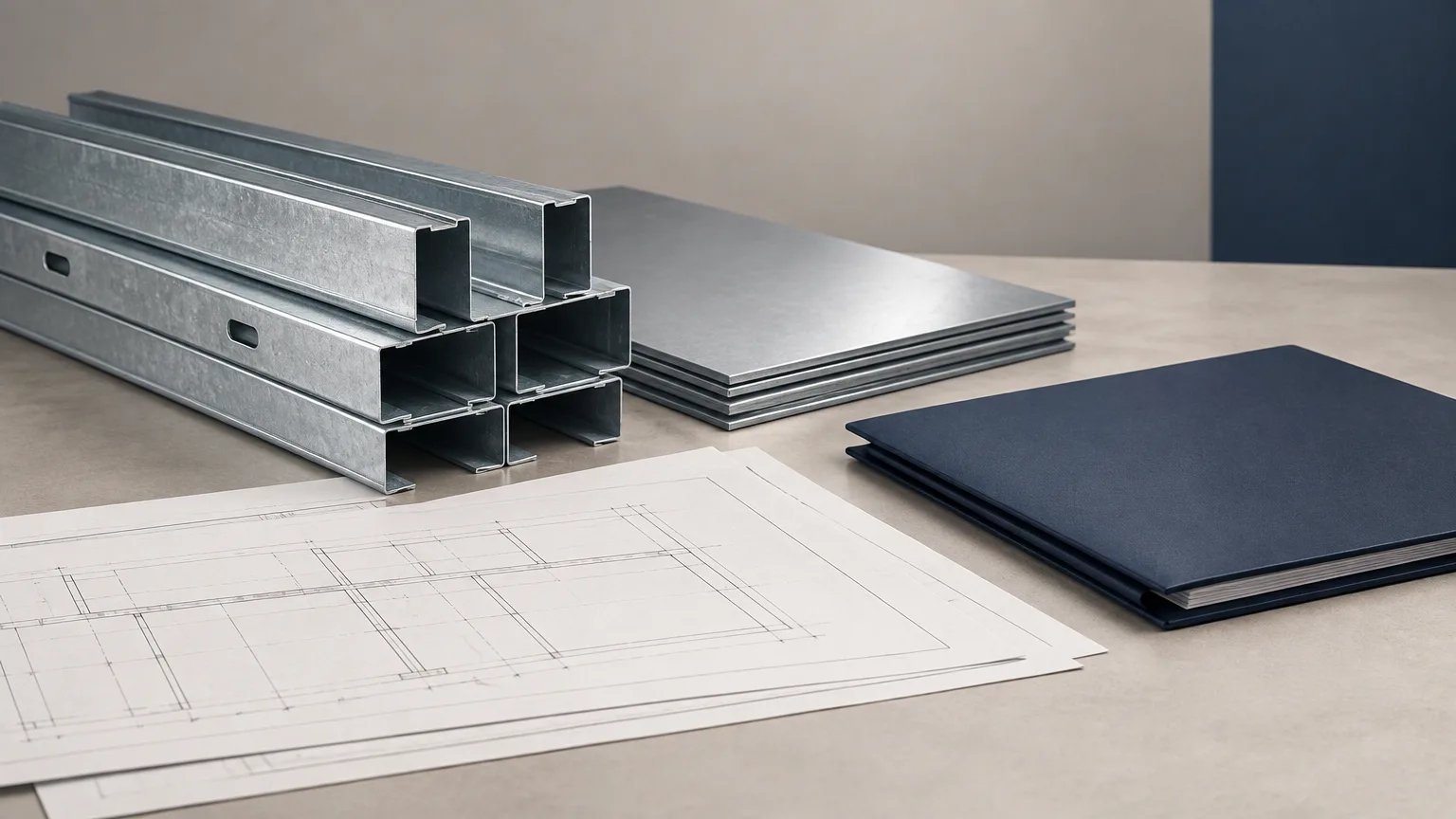
The company’s proposed defence and counterclaim challenged the quality of steel studs and backing sheets. It said the materials arrived with white rust and powder, contrary to contractual specifications and obligations under the Sale of Goods Act.
The project architect rejected the installed materials and directed their removal and replacement. When that work was not carried out, the architect required a price reduction. General contractor Pomerleau passed the adjustment on to Humaco, reducing its invoice by $97,959.70, including HST.
Humaco also sought to account for $11,180 in cleaning costs and $30,000 charged to it for damage to the hospital’s exterior. These were disputed claims, not damages awarded by the appeal court.
Keeping materials did not eliminate the claim
Kent’s evidence emphasized that Humaco had neither refused nor returned the materials. Its representative also denied being told that Kent would be billed for cleaning. The motion judge relied partly on the absence of returned products and uncertainty about when the rust appeared.
The appeal court found that approach legally flawed. Sections 67 and 69 of the Sale of Goods Act allow a buyer, in the circumstances described by those provisions, to seek a reduction or elimination of the price for a breach of warranty and to claim further damages. Keeping the goods did not by itself prevent Humaco from pursuing those remedies.
The court also admitted a July 2020 email attached to an affidavit the motion judge had rejected as late. The email’s authenticity was not challenged, and it told Kent that Humaco would invoice it for cleaning once the work was finished. The appeal court said the judge had also disregarded uncontested evidence that white rust and powder were present when the materials were delivered.
Responsibility for the exterior damage remained contested. Humaco’s supervisor said Kent’s delivery operator had admitted causing it; the operator denied making that admission and attributed damage to others. The court held that the conflicting evidence raised a claim suitable for trial.
Separate problems with the plaintiff and interest
The court found that Kent Building Supplies, as the unincorporated division named as plaintiff, was not a legal entity capable of suing or obtaining the default judgment. That alone supplied a defence to the action as framed. The ruling nevertheless left open a motion for any corrective measure available under the procedural rules.
The credit application also did not establish the interest terms asserted in the claim. It provided for service charges at an annual compound rate not exceeding 24 per cent, rather than fixing interest at that maximum. The court found no justification in the record for the prejudgment award at 24 per cent.
Nor did the agreement provide for special postjudgment interest. The court concluded the default judgment could not impose a rate above the rules’ presumptive seven per cent. A separate question about the use of simplified procedure was left unresolved because it had not been fully argued.
The June 30 order set aside the lower-court decision, the noting in default and the default judgment, and allowed Humaco 30 days to file and serve its defence and counterclaim. Neither side received costs. The decision restored Humaco’s opportunity to contest the claim; it did not finally resolve the supply dispute.