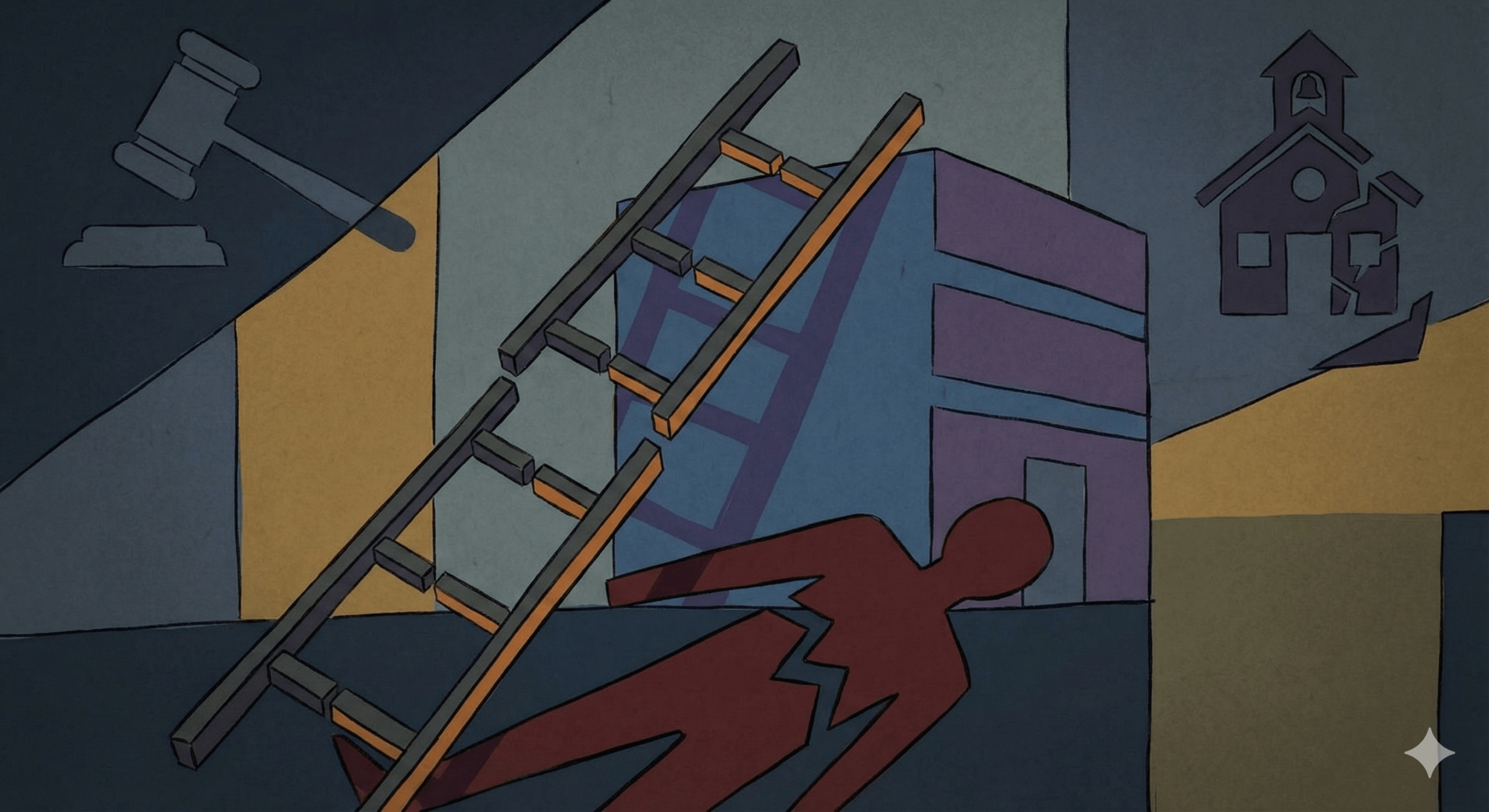
Manitoba’s Court of Appeal has upheld the removal of punitive-damages claims from a son’s wrongful-death lawsuit, ruling that The Fatal Accidents Act does not authorize that form of recovery. In Berger v Seven Oaks General Hospital, 2026 MBCA 69, released July 31, 2026, the court dismissed Hart Berger’s appeal with costs.
The unanimous decision addresses the damages available under the legislation. It does not decide whether the defendants were negligent or responsible for the death alleged in the lawsuit.
Son sought $2 million against each defendant
Berger sued Seven Oaks General Hospital, the Winnipeg Regional Health Authority, Dr. Carrie Lafournaise and Charmaine Brown, alleging their negligence caused his father’s death. His claim under the Act sought compensation for loss of companionship, funeral expenses and loss of support, along with $2 million in punitive damages against each defendant.
The defendants asked the Court of King’s Bench to determine, before trial, whether punitive damages were legally available under the Act. The motion judge concluded they were not and struck the relevant portions of the claim without leave to amend.
On appeal, Berger argued that a trial was needed to establish whether the defendants’ conduct warranted punitive damages. He also maintained that the statute allowed him to pursue the damages his father could have claimed had he survived.
Chief Justice Marianne Rivoalen, writing for the court, rejected both arguments. The motion judge had considered the relevant factors in deciding to resolve the legal question and had neither misused his discretion nor caused an injustice.
A claim for survivors’ losses
The court distinguished two kinds of litigation that can follow a death. A surviving relative’s claim under the Fatal Accidents Act is a new statutory claim for the relative’s own loss. It is separate from a claim belonging to the deceased that may continue through the estate under The Trustee Act.
That distinction defeated Berger’s argument that the Fatal Accidents Act put him in his father’s position for the purpose of claiming damages. Section 2 identifies circumstances in which a person responsible for a wrongful death can be sued, while section 3 identifies the surviving relatives who benefit and the losses for which compensation is available.
The court traced that structure to legislation that created remedies where the common law had allowed surviving relatives no action for wrongful death. The statutory claim therefore did not simply preserve every remedy the deceased might have pursued while alive.
Compensation and punishment serve different purposes
The decisive wording was in section 3(2), which ties damages to the financial loss resulting from the death. Rivoalen found no substantive difference between the English and French versions.
Punitive damages serve a different purpose: punishing wrongful conduct rather than compensating a claimant’s loss. The court found that the Act’s text, history and purpose did not support their inclusion. The expressly authorized damages for loss of guidance, care and companionship also did not convert the statute into a vehicle for punitive awards.
The court rejected the argument that punitive damages should be available as a matter of public policy because a wrongdoer should not escape them when an injured person dies. Changes to the rights created and limited by the statute were for the legislature.
Justices Jennifer Pfuetzner and David Kroft agreed. The decision leaves the order striking the punitive-damages claims in place. Its significance is confined to the statutory route examined: a claim under Manitoba’s Fatal Accidents Act cannot include punitive damages, regardless of whether the alleged conduct might otherwise prompt a demand for punishment.