The British Columbia Human Rights Tribunal has ordered a landlord to pay $31,500 in compensation after finding that inaccessible entrances, a locked gate and driveway work left a tenant who used a wheelchair dependent on others to enter and leave his home.
In Alexander v. Schneider, 2026 BCHRT 151, issued July 7, 2026, tribunal member Edward Takayanagi awarded Jeremy Alexander $30,000 for injury to dignity, feelings and self-respect, and $1,500 for related expenses. Aaron Schneider was also ordered to stop the same or similar discrimination and pay interest.
The award is compensation, not a fine. The reasons do not establish whether it has been paid.
Advertised accessibility gave way to successive barriers
Alexander rented a main-floor suite with roommates in February 2020. The property was advertised as wheelchair accessible. Before the tenancy began, he explained that he needed a usable driveway and walkway and a ramp into the unit. Schneider said walkway repairs would be finished within two weeks and assured him the unit was accessible.
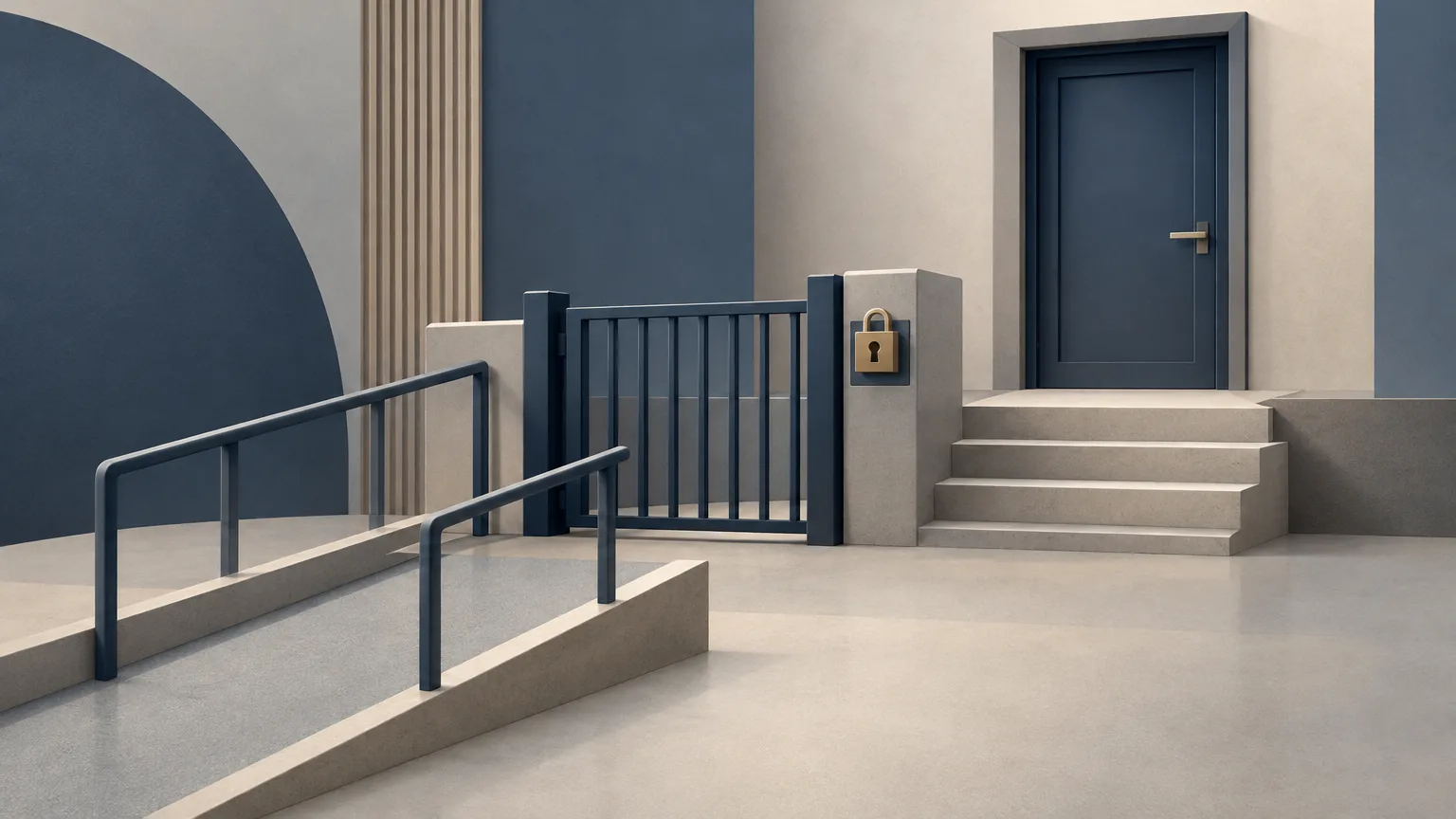
The tribunal found that no proper ramp was installed. Instead, a piece of plywood was placed at the entrance, making access difficult and unsafe. The walkway was not completed until July 2020. Once it was usable, a lock on the front gate was positioned too high for Alexander to reach from his wheelchair. His request to remove it went unanswered.
Work on the rear driveway created further obstacles. Construction debris initially prevented Alexander from using it without help. When the work was completed, gravel and a retaining wall without a ramp still prevented access to the alley.
Schneider sold the property in about January 2021, and the purchaser took over the tenancy. Alexander moved out in about March.
Tribunal assessed the evidence despite the landlord's absence
Schneider did not file a response or participate in the tribunal process. Takayanagi reviewed the steps taken to notify him, including the registered-mail delivery of the complaint notice and the later hearing notice. After waiting at the hearing and checking the videoconference system, the member concluded that proceeding without Schneider was procedurally fair.
The absence of a defence did not replace the complainant's obligation to establish discrimination. Alexander had to show a disability, an adverse effect concerning his tenancy, and a connection between them.
Takayanagi accepted his evidence, supported by photographs, documents and testimony from his roommates. The tribunal found that his inability to use the entrances, gate and driveway freely and safely was an adverse impact connected to wheelchair use.
Once those elements were established, the landlord had the burden of justifying the impact. Schneider did not participate to offer a justification. The tribunal therefore found discrimination in tenancy.
Compensation reflected the loss of independence
The tribunal characterized the discrimination as severe, prolonged and continuous. Roommates had advocated for accommodations, but the property instead presented a succession of barriers. Alexander had to ask others to let him in or help him leave, and the evidence showed that the loss of independence affected his wellbeing and confidence about future housing.
In setting the dignity award, Takayanagi considered the nature of the discrimination, Alexander's vulnerability in the rental relationship and its particular effects on him. The tribunal granted the full $30,000 requested, applying a compensatory rather than punitive approach.
The separate $1,500 award covered food delivery, transportation and furniture expenses caused by the discrimination. Although Alexander did not produce invoices, he provided calculations and supporting evidence. The tribunal accepted both that the expenses were incurred and that they resulted from the accessibility barriers. That was an assessment of this evidentiary record, not a general exemption from proving financial loss.
The tribunal declined to order additional remedial steps or a special program. It noted the limited evidence supporting that request and that Schneider had sold his only rental unit and was no longer a landlord. No renovation order was made.
The order provides for interest on the expense award and post-judgment interest on both monetary awards at the rates under the Court Order Interest Act.