The Supreme Court of Yukon has ordered land-transfer copies registered to complete a 2004 land exchange near Dawson City’s Palace Grand Theatre, after the federal government failed to register the originals and could no longer find them.
In AGC v Registrar of Land Titles, 2026 YKSC 23, released April 2, 2026, Chief Justice S.M. Duncan ruled that the territory’s Land Titles Act did not impose an absolute originals-only requirement. The evidence established what the parties had agreed to transfer, despite the unexplained administrative oversight.
The ruling directs the registrar to accept copies of documents signed by Denise Carmen Fras in 2004, together with a current affidavit of market value from a federal representative, and transfer the parcel to Canada. Neither side received costs.
A land exchange left unfinished
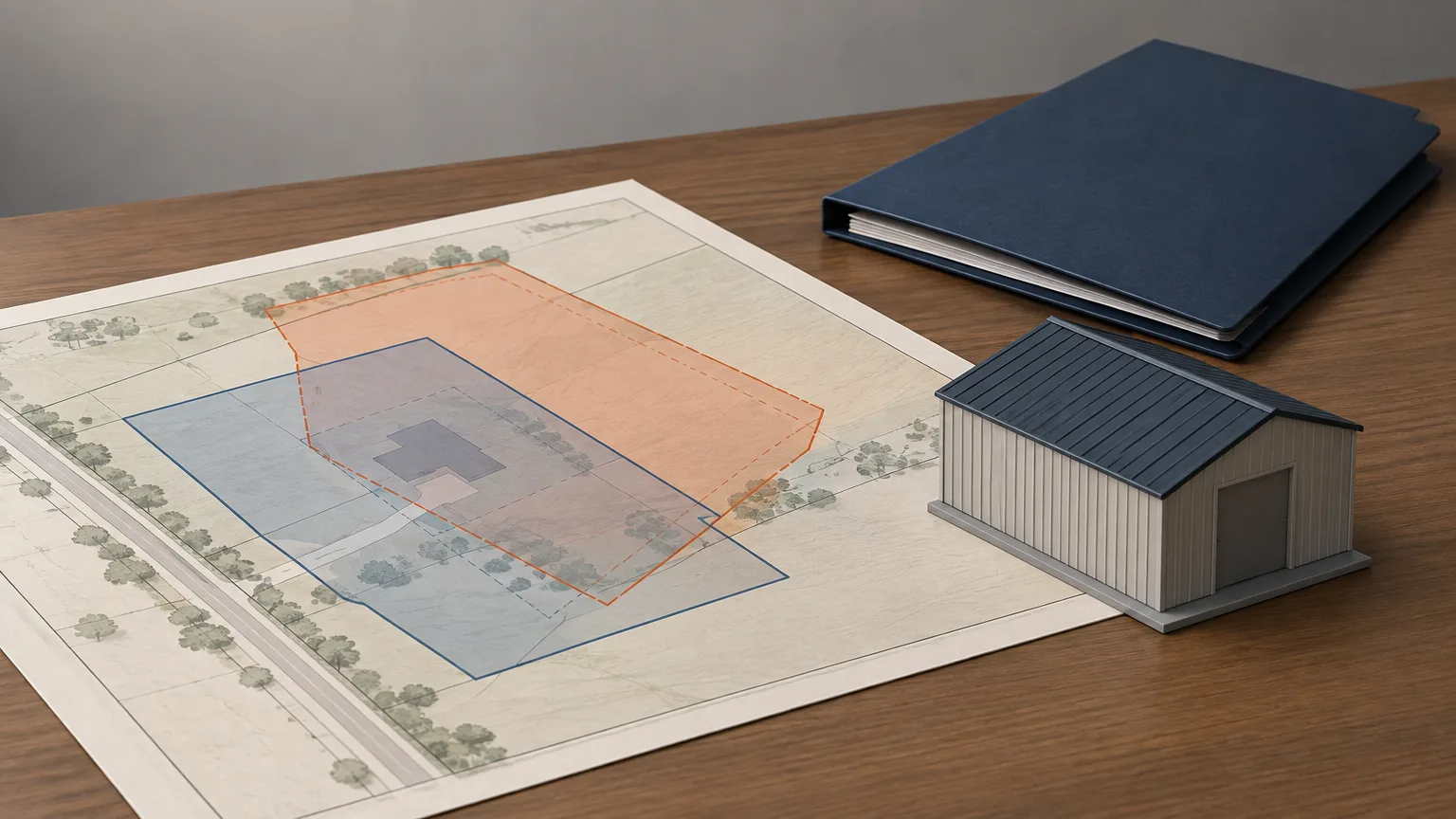
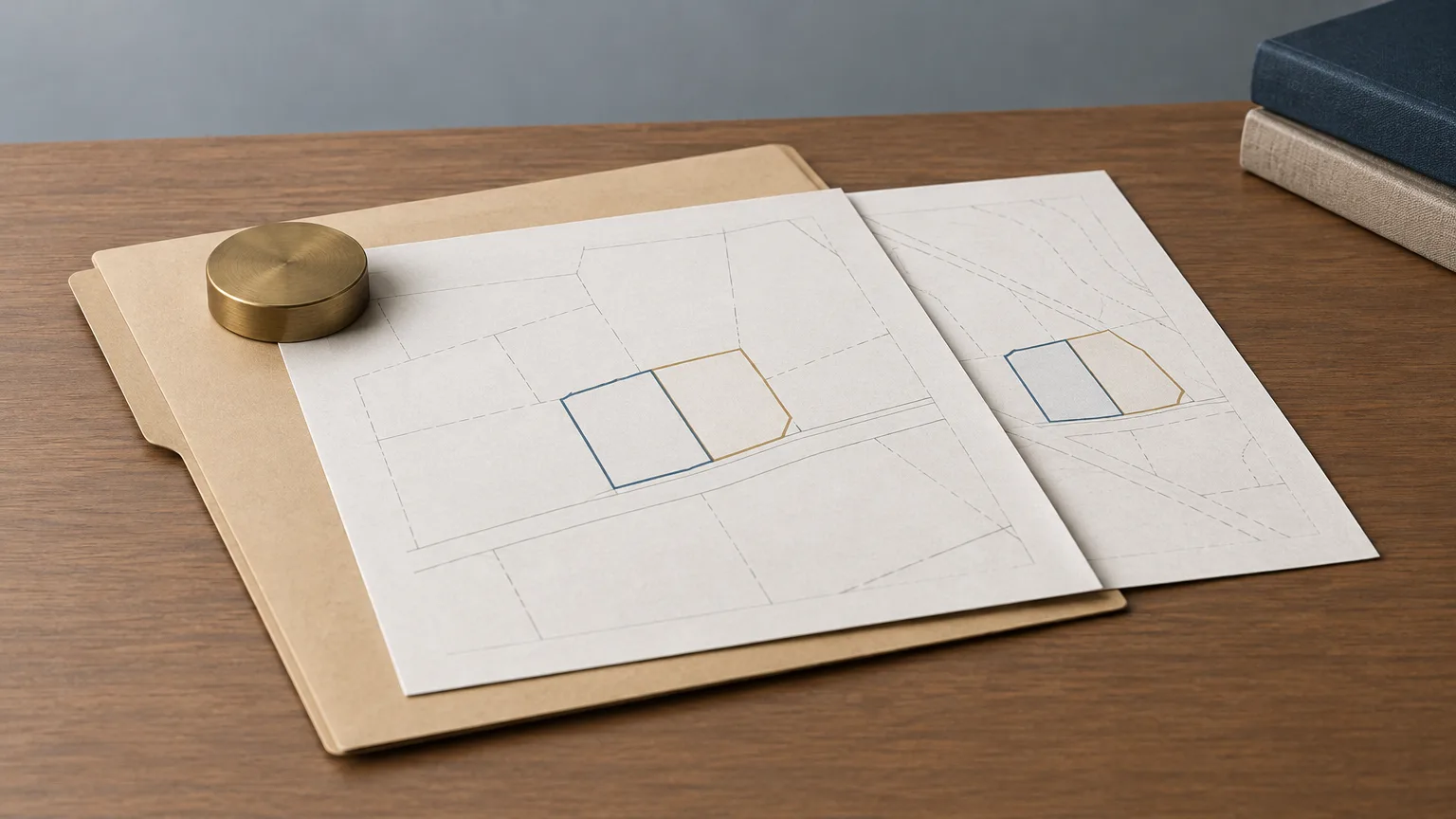
The dispute concerned two small parcels beside the historic theatre. Canada transferred a 21.6-square-metre parcel to Fras for $1; in return, she agreed to transfer a 22.8-square-metre parcel to Canada for $1. The exchange was intended to resolve encroachments and align ownership with surveyed lot boundaries.
Canada’s transfer to Fras was registered in October 2004. She sold her consolidated property the following year. Her transfer to Canada, however, was never registered, leaving the other parcel in her name.
Parks Canada discovered the omission in 2023. Searches located copies in an archived Department of Justice Canada file, but not the original documents. Officials asked Fras to sign replacement originals. Those efforts did not resolve the issue.
When Canada submitted the copies in 2025, the land titles office refused registration. The registrar relied on its longstanding practice of requiring originals, provisions that implicitly contemplated originals, and concerns about potential liability given Fras’s objections. Technical problems with the old forms were also raised, but the hearing ultimately focused on the originals requirement.
Statutory appeal, rather than ordinary judicial review
Canada described its court application as judicial review. The judge said the appropriate route was instead the statutory appeal available under section 189 of the Land Titles Act, supported by the court’s powers under section 191.
Those provisions allowed the court to make an appropriate order and direct changes to title. Chief Justice Duncan treated the matter as a fresh, non-deferential consideration rather than simply asking whether the registrar’s decision should be sent back for reconsideration. She accepted the application because its substance and supporting material met the statutory requirements.
Fras argued the court should respect the registrar’s decision. She also challenged the land exchange’s underlying premise, raised the long delay and her potential exposure to liability, and sought compensation or a new deal. She questioned whether advance discussions between government lawyers and the registrar, and the preparation of a draft order, had predetermined the outcome.
The judge rejected that procedural objection. The discussions concerned how to bring the dispute before the court, and submitting a draft order did not bind the judge.
Reliable evidence supported an exception
The court accepted the importance of accurate, dependable land titles and preventing fraud. Originals would remain the best practice in many, perhaps most, cases. But an unwritten office practice was not itself a mandatory legal requirement.
The statute required the registrar to exercise judgment, including deciding whether documents substantially complied with its requirements. It did not expressly prohibit copies, and the provisions relied on by the registrar did not establish an absolute prohibition.
Here, the transfer documents, affidavits, title records, survey and correspondence supported the exchange. Fras did not dispute signing the transfer document or receiving Canada’s parcel. Although the copy of the agreement was unsigned by Canada, the government had implemented its side by transferring that land to her.
The judge rejected Fras’s assertion that she had already owned the parcel Canada transferred. The objective records supported Canada’s ownership. Both sides had long assumed the reciprocal transfer was complete; registration would bring the title record into line with that intended result.
Delay did not undo the agreement
The court found that the Limitation of Actions Act did not govern this statutory appeal, and the land titles legislation imposed no limitation period for this appeal or expiry date for registering otherwise compliant documents.
Canada acknowledged responsibility for the oversight. The judge found no evidence of bad faith or misconduct and said the application sought to complete the original agreement, rather than create new rights. Fras’s concerns about possible liability and uncertainty did not justify preventing registration or requiring a renegotiated deal.
Canada did not seek costs against Fras. Her request for enhanced costs also failed: the government’s conduct did not meet the Yukon test for special costs, and the court awarded no costs.
The decision turns on unusual facts and reliable evidence of the parties’ original intentions. It does not require the registrar to accept copies whenever originals are missing. The reasons order registration and transfer; they do not establish that those steps have since been completed.