An air-emissions permit cannot be assessed reliably using tests that fail to reflect a plant’s higher production periods, British Columbia’s Environmental Appeal Board concluded in sending permitting decisions for Ebco Metal Finishing L.P.’s Surrey facility back for reconsideration. The board required a more representative testing process and further examination of emissions from the building’s roof vents.
In Brookswood Fernridge Community Association et al. v. Director, Environmental Management Act, 2026 BCEAB 19, the three-member panel returned the 2018 and 2020 permitting decisions to Metro Vancouver’s district director with detailed directions. It dismissed the appeals concerning a 2019 amendment. The decision was issued March 27, 2026; the official reasons identify a correction dated July 31, 2026.
The outcome stopped short of cancelling the permit or ordering the facility to close. The panel found that the appellants had not established that the plant’s emissions caused the alleged human or animal injuries, or that the facility caused pollution within the legislation’s meaning. Those failures of proof did not resolve the separate deficiencies in the information used to assess the permit.
The dispute concerned a hot-dip galvanizing operation, where steel is coated with zinc. The permit addressed two emissions systems: stacks connected to the galvanizing process, called ES01, and roof vents serving the pre-treatment area, called ES02. Sulphuric acid was the only contaminant authorized for release through ES02. Community and environmental groups, businesses and residents challenged the permit’s adequacy; the director and Ebco defended it.
Why an average was insufficient
Testing in 2016 supplied important information for setting permit terms and predicting how emissions would spread. But the board found that production during that testing did not adequately represent operations at the facility. A later method of calculating a testing rate from the weight of steel galvanized over 90 days, divided by shifts and hours, also failed to capture periods of higher production.
The distinction mattered because the permit’s concentration limits applied at any point in time. They were not limits on average emissions over a longer period. Averaging production across a shift could include time when no galvanizing occurred, obscuring the intensity of the activity when steel was actually being dipped. The panel therefore called for testing tied to the highest production levels at which the facility operated or was expected to operate.
The board did not dismiss the science of air-dispersion modelling. It generally accepted the modelling approach and several conservative assumptions used in the analysis. Its concern was the reliability of the emissions measurements supplied to the model. Without representative testing, predictions based on normal operations and related assessments of environmental impacts could not carry the same assurance.
The roof vents raised an additional question: whether mists and other substances from the pre-treatment area would behave like the emissions assumed in the modelling. The board required further examination of their composition and behaviour, including whether differences in density could affect how they dispersed.
A testing and reconsideration process
The director was instructed to review production records and work toward testing that reflected the highest production rates. The directions include considering whether scientifically defensible adjustments can account for the different emissions associated with galvanized materials of different shapes. They also require consideration of a workable process for applying the approach from year to year.
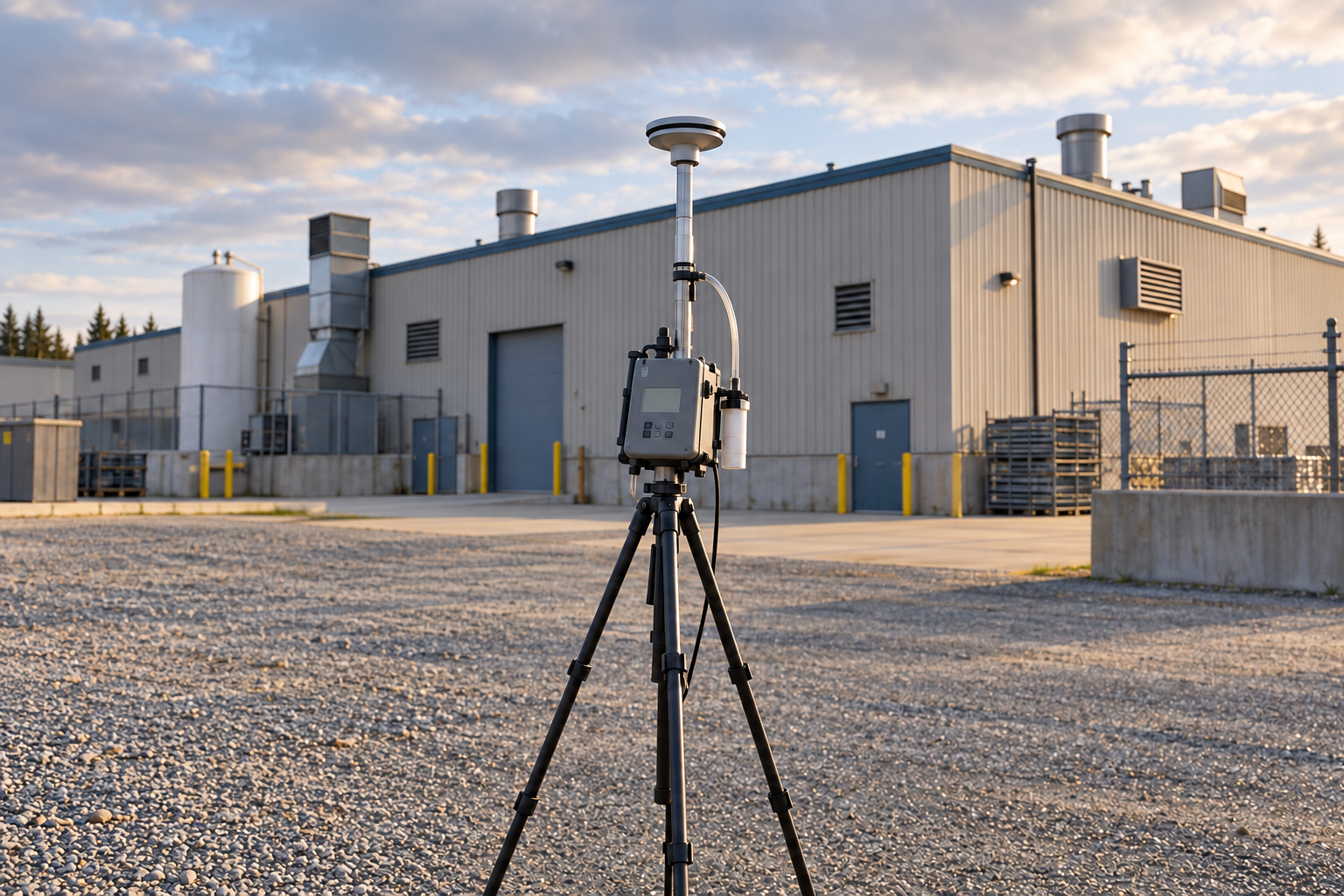
For ES02, the director must identify potential contaminants from pickling and stripping steel and from cleaning baghouse filters. Testing must reflect the specified high-production conditions and, where relevant, filter cleaning. The directions address whether those activities occurred together and therefore must be tested together.
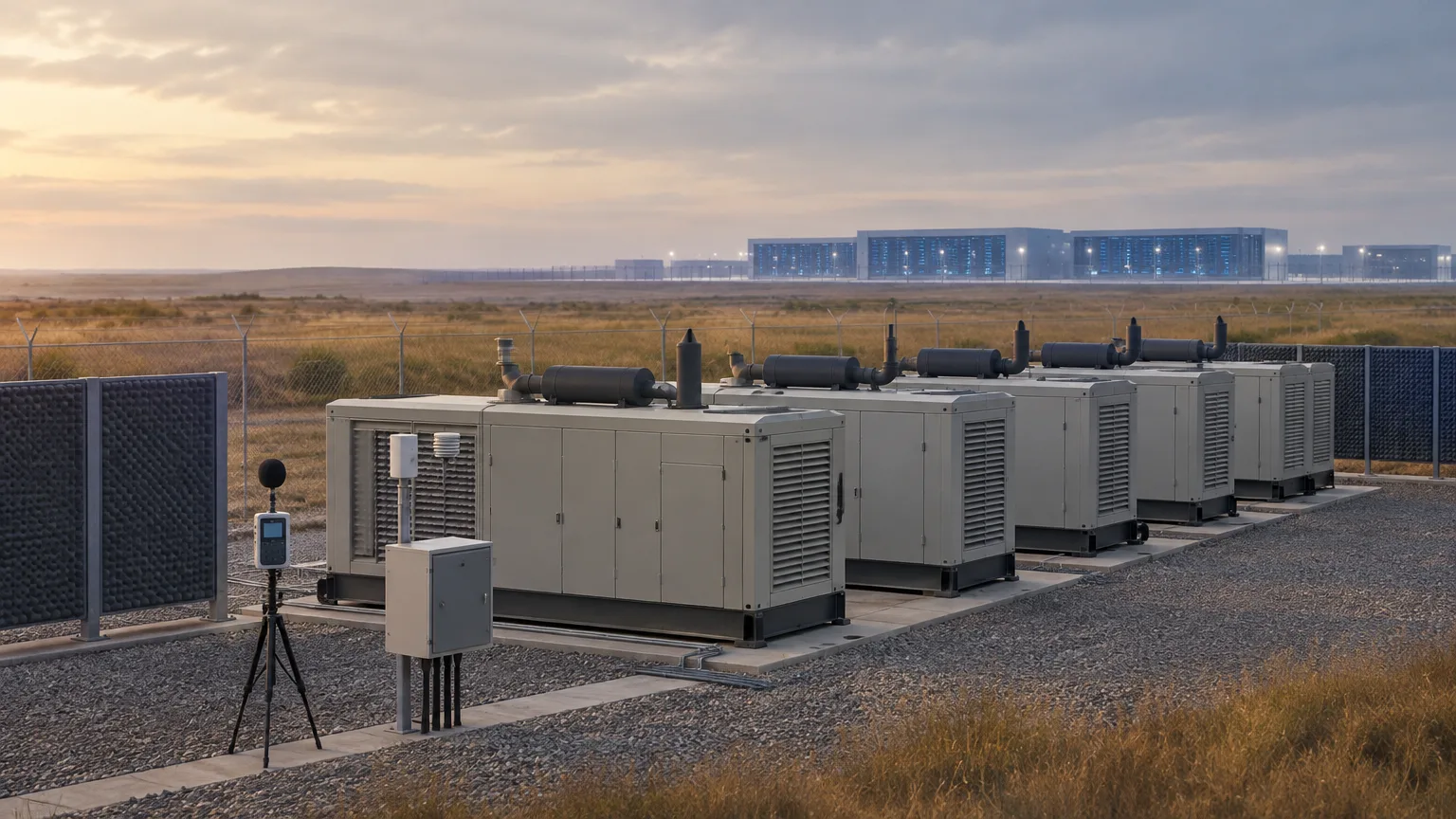
The roof-vent measurements must either cover all eight vents at once or use vents likely to have the highest concentrations, with results extended conservatively to the active vents. The director must then determine whether substances other than sulphuric acid meet the legal definition of air contaminants at the measured concentrations and set appropriate permit terms for those identified.
The panel separately directed consideration, and investigation if necessary, of cadmium and lead. That assessment involves background air concentrations, the facility’s contribution and dispersion. The directions did not amount to a finding that every detected substance was an unlawfully released air contaminant; the board explained that the statutory classification depended on the circumstances and potential effects of its release.
Further work may require updated dispersion modelling and impact analysis. The director must also clarify the appropriate control technology for sulphuric-acid emissions, including whether a scrubber is required with the mist suppressant Anti-Vapour or whether a specified level of mist reduction is sufficient. The board treated best available control technology as a Metro policy applied to permitting, and did not itself order a scrubber installed.
After completing the directed assessment, the director must decide whether the permit should have been refused, approved on its existing terms or approved with different requirements. The remaining appellants and Ebco are to receive any resulting permit version, or a letter advising that the process produces no amendment. The reasons expressly distinguish this referral from the board itself imposing new environmental-protection conditions.
Limits on the appellants’ success
The appellants’ evidence did not establish the causal connection between emissions and reported injuries. Nor did it establish the substantial alteration or impairment of the environment’s usefulness required for a finding of pollution. The board’s findings concerned the evidence in these appeals; they were not a conclusion that further emissions assessment was unnecessary.
The board accepted evidence that environmental sampling did not demonstrate clear trends of increasing nickel and zinc attributable to air emissions at the sampled locations. It regarded runoff as the more likely explanation for elevated metals in the site’s stormwater system. Stormwater management, however, was outside the jurisdiction of these air-permit appeals.
The panel also rejected the allegation that Ebco and Metro were unresponsive to complaints. At the same time, it declined to adopt all of Ebco’s explanations for them. In particular, treating residents’ descriptions of smells too literally could discount a genuine sensory experience, and assuming normal operations could not produce detectable emissions could prevent complaints from revealing problems.
Other requested changes were not established on the evidence. The board declined to require continuous emissions monitoring or an additional weather station, rejected mass balancing as impractical in these circumstances, and declined to change the ES01 testing frequency or environmental-monitoring requirements. It also left the permit’s February 28, 2033 expiry date unchanged.
The decision consequently required the regulator to revisit the evidentiary foundation of the permit, without granting the appellants the cancellation they principally sought. It set out the work and decisions to follow; it did not record the outcome of that subsequent implementation.
Source: Brookswood Fernridge Community Association et al. v. Director, Environmental Management Act, 2026 BCEAB 19, decision dated March 27, 2026, corrected July 31, 2026.