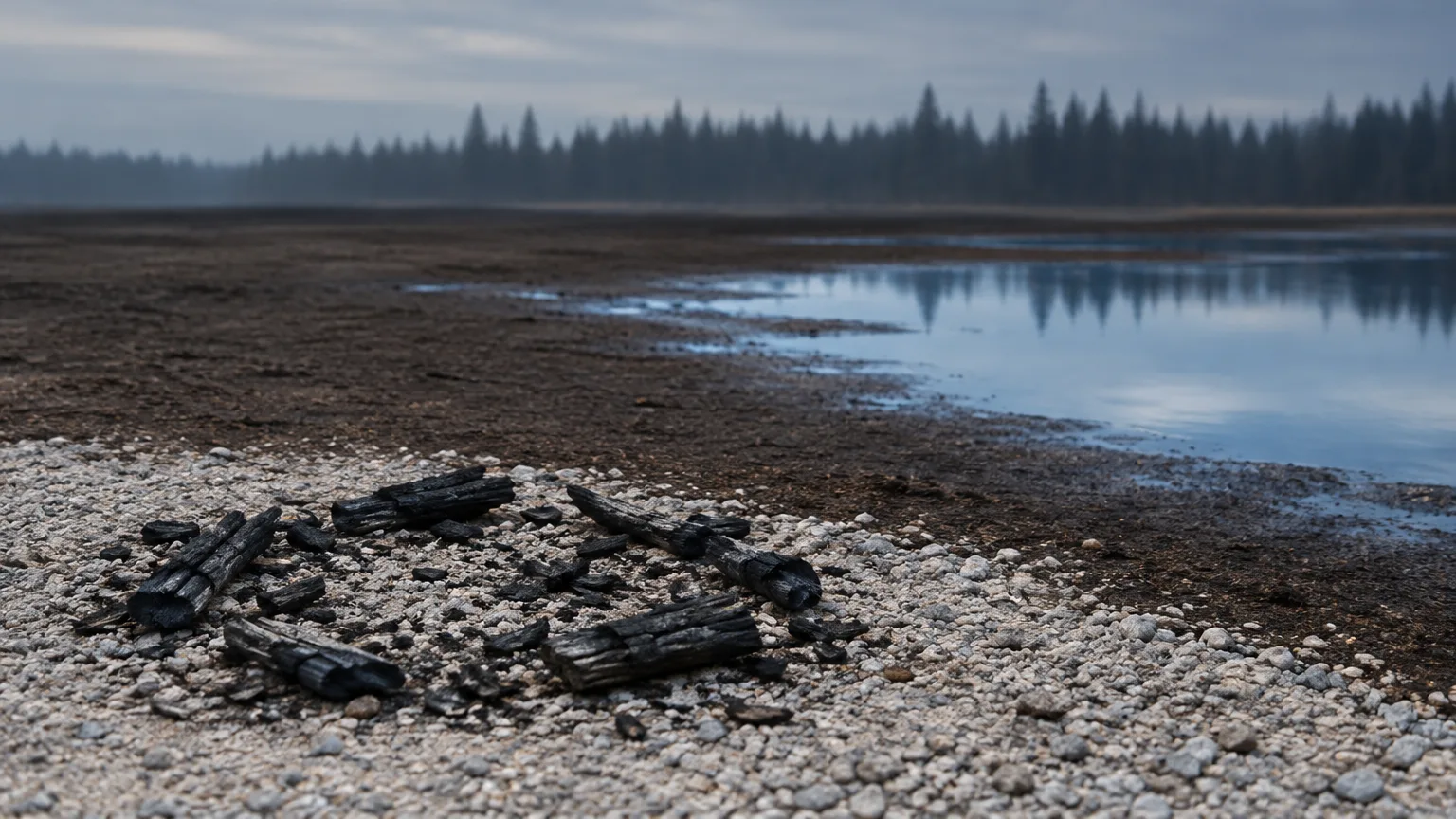
British Columbia’s Forest Appeals Commission has set aside a determination requiring a Kispiox landowner to pay a $3,000 administrative penalty and $100,688.12 in provincial fire-control costs, finding that his precautions and reasonably held belief that a debris fire was out established statutory defences.
The Jan. 26, 2026 decision in Eldon Whalen v. Government of British Columbia, 2026 BCFAC 1, followed a court-ordered rehearing. It did not reject the province’s evidence that Whalen’s burn caused the wildfire. Instead, panel chair Jeffrey Hand separated the question of what caused the fire from whether the Wildfire Act’s defences protected him from the determination. Reasons, paras. 1–3, 23–24, 41–44 and 92–94.
Fire escaped weeks after the burn
Whalen burned a debris pile on his rural property around March 31, 2019, when snow remained on the ground. On May 10, fire spread into nearby trees. The resulting wildfire burned 11.5 hectares of private and Crown land; no buildings were destroyed.
The commission accepted the investigators’ conclusion that the debris fire had never been completely extinguished and later escaped as conditions warmed and dried. It found a contravention of the regulation’s requirement to prevent a category 2 open fire from spreading beyond its fuel break, which also constituted a contravention of the Act.
Whalen nevertheless argued that he had taken reasonable precautions and reasonably believed the fire was extinguished. The province disputed his diligence, pointing to the eventual escape, questioning whether he had applied water and arguing that he should have made better inquiries or used machinery to disturb the pile. Reasons, paras. 5–18, 28–43 and 45–50.
Reasonable precautions, not perfection
Hand accepted that Whalen stayed with the initial burn, repeatedly returned to inspect it, applied water and dug into the pile with a shovel after seeking a neighbour’s advice. He found Whalen had remained attentive to the site for roughly five weeks.
The applicable standard was objective but not one of perfection. Whalen’s actions were assessed against what a reasonable layperson in his circumstances would have known and done, rather than against a fire expert’s knowledge.
The commission found the public information booklet then available offered little guidance about monitoring after visible signs of fire disappeared or the possibility that a fire could re-emerge weeks later. The province had not established what further steps Whalen should reasonably have taken. A neighbour’s occasional observations were insufficient to displace Whalen’s sworn evidence that he applied water.
Hand also rejected the suggestion that Whalen’s inability to fight an escaped, out-of-control wildfire showed inadequate preparation for the original debris burn. The record did not establish that machine-assisted digging was required in these circumstances. Reasons, paras. 51–81.
The same precautions supported a separate finding that Whalen reasonably, though mistakenly, believed the fire had been extinguished. Hand accepted his affidavit evidence that he had not observed smoke at the pile weeks after ignition, rather than treating an imprecise statement made during the wildfire as decisive.
With both statutory defences established, the commission allowed the appeal and set aside the determination. It did not need to assess whether the penalty or fire-control costs were otherwise appropriate. The ruling concerns this record and these precautions; it does not mean an escaped burn is excused merely because its owner believed it was out. Reasons, paras. 82–95.