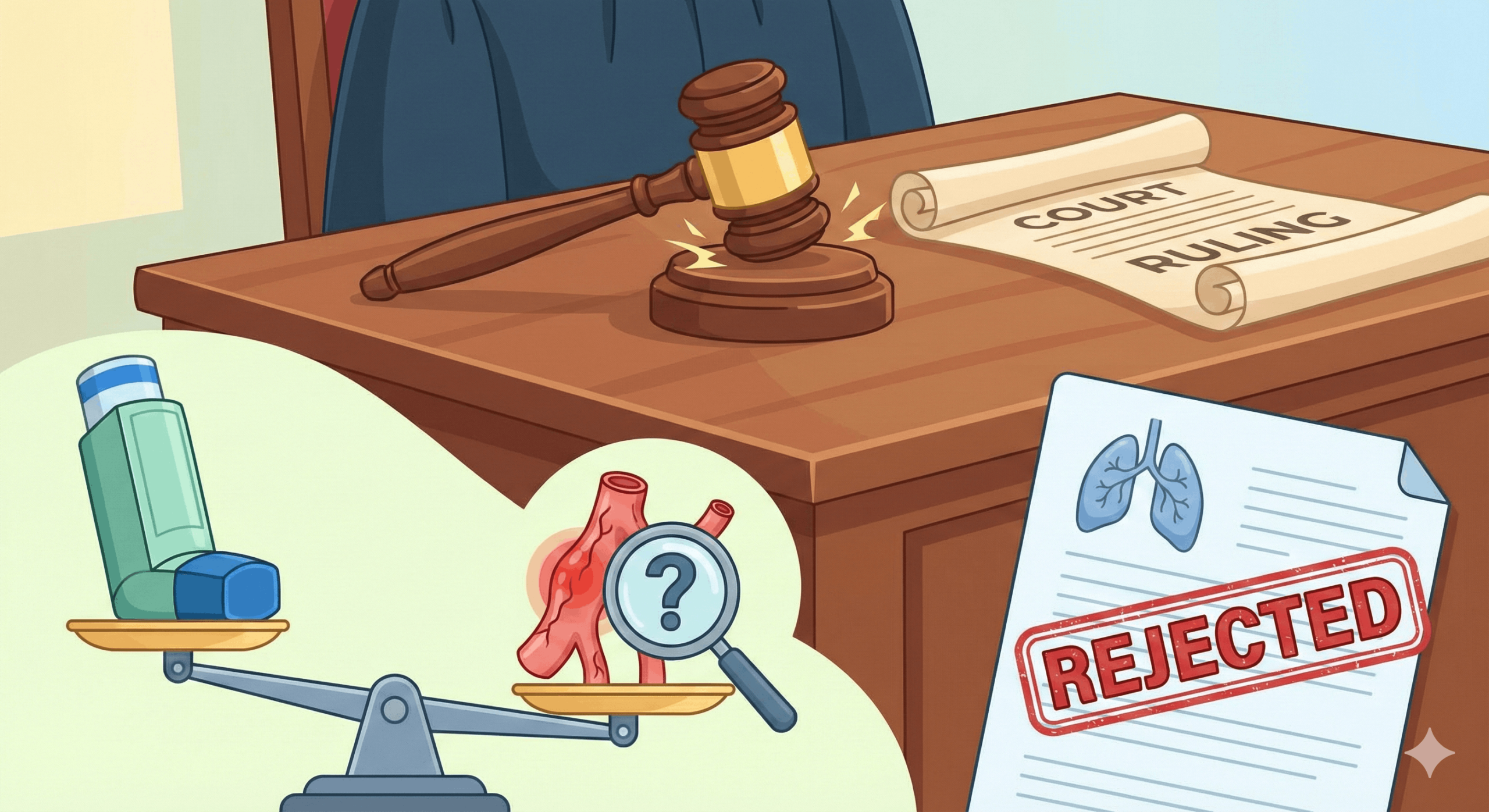
The Discipline Committee of the College of Veterinarians of Ontario has ordered an Ottawa veterinarian to be suspended for one month after finding him guilty of professional misconduct1. The case involved the treatment and subsequent death of a four-year-old Persian cat in 2018. The decision, released on January 31, 2025, followed a video conference hearing held on January 20, 2025. Dr. Jay Mengi, who practised at the Bank Street Animal Hospital, pleaded guilty to failing to maintain the standard of practice, failing to keep proper records, and engaging in unprofessional conduct.
The events at the center of the hearing occurred on August 23, 2018. On that morning, a client, identified only as KD, brought her cat, Scrabble, to the Bank Street Animal Hospital. Scrabble was suffering from a distended abdomen and had not been urinating or defecating for at least one day. Dr. Mengi was not present at the clinic when KD first arrived. An auxiliary staff member made an appointment for KD to return later that day. The College alleged that this auxiliary staff member had not been adequately trained by Dr. Mengi to recognize a potentially urgent situation or what steps should be taken when a veterinarian was not on site.
When KD returned to the clinic later in the day, Dr. Mengi examined Scrabble. He noted that the cat was very weak, had not been eating or drinking, and was dehydrated. The examination also revealed faint heart sounds, rapid breathing, and a large, firm urinary bladder, which caused the cat pain. Dr. Mengi recommended a radiograph to assess Scrabble's urinary tract and heart. While preparing for this, Dr. Mengi administered sedation and an inhalant anesthetic to the cat. He then attempted to perform urethral catheterization, but the procedure was unsuccessful. During this process, Dr. Mengi's auxiliary informed him that Scrabble had suffered a cardiac arrest. Resuscitation efforts were performed but were also unsuccessful, and Scrabble passed away.
A Notice of Hearing dated November 21, 2023, detailed the specific allegations of professional misconduct against Dr. Mengi. The College alleged that he failed to assess and treat a urinary obstruction emergency appropriately and provided inadequate and inappropriate anesthesia. Furthermore, it was alleged that Dr. Mengi failed to properly convey the seriousness of Scrabble’s condition to his owner, KD. The panel hearing the case consisted of Dr. Paula Menzies as Chair, Dr. Kathleen Day Dunbar, and Ms. Cathy Hecimovich, a public member.
The allegations also focused heavily on Dr. Mengi's failure to maintain adequate medical records as required by the profession's regulations. The College's investigation found multiple deficiencies in the file for Scrabble. The anesthetic and surgery record was incomplete. The size of the endotracheal tube was not documented on the anesthetic monitoring sheet. The record also created confusion, noting that the cat's inhalant anesthesia gas was maintained on a mask, yet the presence of a tube was mentioned in the notes following the cardiac arrest. Furthermore, the records failed to note the drug concentrations or units of measurement for medications administered during the procedure. There was also no documentation of the intravenous fluid rate or the total amount of fluid infused. Finally, the records contained no note of any thermal support, such as a heating pad, being provided to the patient.
These failures formed the basis for the charges of professional misconduct under Ontario Regulation 1093 of the Veterinarians Act. The allegations cited paragraph 2, for failing to maintain the standard of practice of the profession, and paragraph 27, for failing to make or retain the required records. The College also alleged a breach of paragraph 44, which constitutes an act or omission relevant to the practice that, having regard to the circumstances, would be regarded by members as disgraceful, dishonourable, or unprofessional.
At the January 20, 2025, hearing, Dr. Mengi entered a plea. He pleaded guilty to the allegations of failing to maintain the standard of practice and failing to keep proper records. In relation to the third allegation under paragraph 44, Dr. Mengi pleaded guilty only to the conduct being "unprofessional," and not "disgraceful" or "dishonourable." The Discipline Panel conducted a plea inquiry to ensure Dr. Mengi's plea was voluntary, informed, and unequivocal before accepting it. The evidence was tendered by way of an Agreed Statement of Facts, which was supported by an independent expert opinion from Dr. Wicki-Nadler.
The Panel accepted Dr. Mengi's admissions and formally found him guilty of professional misconduct. In its reasons, the Panel agreed that the conduct met the threshold for "unprofessional" but did not find any evidence of dishonest or immoral conduct. The Panel characterized unprofessional conduct as a serious or persistent disregard for one’s professional obligations. The Panel found there were serious issues with Dr. Mengi’s professional judgement, particularly noting that Scrabble was not seen when first presented to the clinic. It found it was Dr. Mengi's responsibility to ensure cases are properly triaged, which includes the proper training of assistants. The Panel also agreed that Scrabble's treatment was not sufficient or appropriate and that the medical records did not meet the standard of practice.
Counsel for the College and counsel for Dr. Mengi presented a joint submission on penalty and costs, which the Panel ultimately accepted. The order includes a formal reprimand and a one-month suspension of Dr. Mengi’s licence to practise veterinary medicine. Following the suspension, Dr. Mengi will be subject to several conditions and limitations on his licence, all of which are focused on remediation. He must undergo a pre-remediation assessment, paid for by the College, to evaluate his baseline knowledge.
Dr. Mengi must then complete, at his own expense, a review of four specific College materials: the three-part Medical Record Keeping Module for Companion Animals, "Handling Emergency Cases in General Practice," "Managing an Emergency in General Practice," and the "Jurisprudence Resource Guide." He will also be required to participate in up to three peer records reviews within one year of his return to practice, which he must pay for. Further, he must participate in a one-day mentorship, at his own expense, focusing on the specific issues in this case, including appropriate training for an auxiliary, proper assessment and treatment of urinary obstruction emergencies, and proper anesthetic processes. Following this, he must prepare a 500-word reflective essay describing the lessons learned and the practices he has implemented to avoid similar situations. Finally, he must undergo a post-remediation assessment, paid for by the College. Dr. Mengi was also ordered to pay $5,000 in costs to the College within 30 days.
In accepting the joint submission, the College noted several mitigating factors. Dr. Mengi has no relevant discipline or complaints history and cooperated fully with the investigation. By admitting the misconduct, he allowed the College to avoid the time and expense of a contested hearing. The College submitted that the remedial portions of the penalty would ensure the misconduct is unlikely to be repeated. The Panel agreed that the penalty provides both specific and general deterrence and serves to protect the public. It described the remedial conditions as "strong, appropriate and targeted" to assist in Dr. Mengi's rehabilitation.
At the conclusion of the hearing, Dr. Mengi waived his right to appeal, and the Panel delivered its oral reprimand. Dr. Paula Menzies, speaking as the Panel Chair, stated that the reprimand should impress upon Dr. Mengi the seriousness of his misconduct and noted it would be part of his public record with the College. The Chair stated, "Of particular concern to us is the fact that the professional misconduct in which you engaged resulted in the demise of an animal and significant distress to the client. This brings discredit to the profession and undermines public confidence." The Panel expressed its confidence that the remediation would minimize the risk of a future appearance but warned, "if you do appear before another Panel in the future, we expect the penalty imposed will be more severe than this one."