An Ontario optometrist who submitted numerous improper claims to the Ontario Health Insurance Plan between 2019 and 2021 has been found guilty of professional misconduct by the Discipline Committee of the College of Optometrists of Ontario. In a case cited as Ontario (College of Optometrists of Ontario) v. Zhang, 2024 ONCO 1 (CanLII), following a virtual hearing on April 2, 2024, Dr. Yunfan Zhang received a formal reprimand and was ordered to complete a practice coaching program and undergo a subsequent inspection of his billing and record keeping practices at his own expense.
The case originated from a referral by the College’s Inquiries, Complaints and Reports Committee, which brought forward several allegations against Dr. Zhang. The initial Notice of Hearing, dated September 22, 2023, alleged that Dr. Zhang had failed to maintain required records, falsified records relating to his practice, submitted accounts for services that he knew or ought to have known were false or misleading, and engaged in conduct that would be regarded by his peers as disgraceful, dishonourable, unprofessional, or unethical. The allegations stemmed from a pattern of billing OHIP for services that were not covered or did not meet the specific criteria for insured services under provincial regulations.
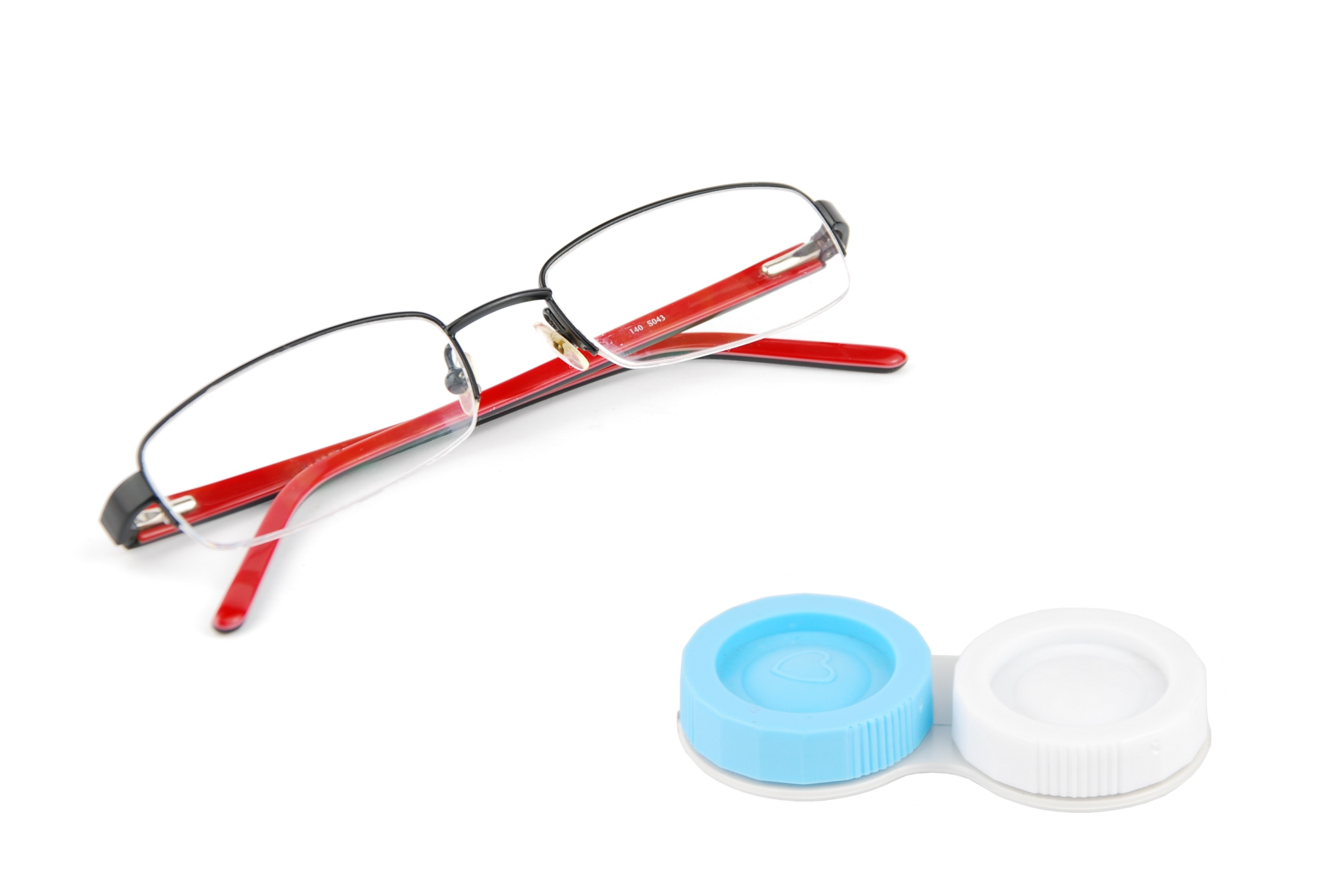
The specifics of the improper billings were extensive and varied. They included submitting OHIP claims for contact lens services where patients did not meet the required medical criteria, such as for contact lens tinting follow ups. Claims were also submitted for myopia management programs, such as orthokeratology, which are not insured services under OHIP. Further investigation of Dr. Zhang’s practice revealed claims made for patients between the ages of 20 and 64 who were not eligible for OHIP coverage, including one instance where no written requisition from a referring physician was obtained prior to billing. Other improper claims involved services provided remotely by telephone or email, such as requests for trial contact lenses or prescription renewals without a corresponding patient assessment, which is contrary to OHIP rules requiring an in-person service. The review also found claims for non-insured services like a prescription renewal and a glasses repair, described in one patient record simply as “frame broken, need to transfer lenses to a new frame,” with no accompanying assessment notes.
At the hearing, the matter took an unusual turn. Counsel for the College informed the discipline panel that it would be seeking to withdraw some of the most serious allegations. These included the allegations of falsifying a record and submitting an account that was known to be false or misleading. The College also requested to remove the words “disgraceful, dishonourable and unethical” from the final allegation, proceeding only on the basis of “unprofessional” conduct. This change in position came after the College had the opportunity to review an expert report tendered by Dr. Zhang. College counsel explained that this new evidence demonstrated that the issues stemmed not from fraudulent intent but from a significant lack of knowledge about proper OHIP billing procedures.
In place of the withdrawn allegations, the College and Dr. Zhang’s counsel jointly proposed amending the plea to include a finding of misconduct under a different section of the professional misconduct regulation, specifically for charging or receiving more than the amount payable under OHIP. Dr. Zhang then entered a plea based on an Agreed Statement of Facts, admitting to professional misconduct. He admitted that he had improperly submitted the OHIP claims across the various categories but stated that the claims were submitted in error and that he did not intend to improperly bill OHIP. He also stated that his failure to obtain a written requisition for one patient was unintentional and occurred because it was an urgent matter communicated verbally by the referring physician.
Based on the Agreed Statement of Facts and the joint submissions, the five-member discipline panel found Dr. Zhang guilty of professional misconduct. The final findings were that he failed to make or maintain required records, charged more than the amount payable under OHIP for an insured service, and engaged in unprofessional conduct.
During the penalty phase, counsel for the College and for Dr. Zhang presented a joint submission on penalty, which the panel accepted. The penalty was designed to be primarily rehabilitative rather than punitive. It requires Dr. Zhang to appear for a formal reprimand. Furthermore, conditions were placed on his certificate of registration requiring him to complete ten hours of practice coaching with a College-approved coach by December 31, 2024, focusing specifically on OHIP billing and record keeping. Following the coaching, he must successfully undergo a full inspection of his OHIP billing and record keeping by March 31, 2025, also conducted by a College-approved inspector. Dr. Zhang is responsible for all costs associated with the coaching and the inspection. The College did not seek costs for the hearing itself, noting the withdrawal of many particulars following its review of Dr. Zhang’s expert report.
In its decision on the penalty, the panel noted that the rules governing optometrists exist to protect the public, and that failure to follow them tarnishes the reputation of the entire profession. The panel considered the mitigating factors in the case, including Dr. Zhang’s lack of a prior disciplinary record, his full cooperation with the investigation, and his guilty plea, which saved the College time and resources. These were weighed against the aggravating factor of the misconduct itself, which undermines the trust placed in health professionals who bill the public OHIP system. The panel concluded that the penalty was fair, reasonable, and would serve as both a specific and general deterrent, while its focus on rehabilitation would help ensure Dr. Zhang does not repeat the conduct.
The hearing concluded with the panel delivering a public reprimand to Dr. Zhang, stating that regulated health professionals are trusted to know and follow the rules. The panel chair told him, “The public trust has been violated by your conduct, even if your conduct was not intentional… Your failure to keep yourself so informed is a violation of the public’s trust and your conduct reflects negatively on the entire profession.” The panel expressed its expectation that he would fully participate in the remedial coaching and that the subsequent inspection would show he had implemented what he learned into his practice.