The Court of Appeal of Alberta issued a ruling in a decade-long legal battle involving proprietary seismic data, corporate acquisitions, and the strict application of provincial limitation periods1. In the case of Geophysical Service Incorporated v Canadian Natural Resources Limited, 2025 ABCA 426 (CanLII), the appellate court upheld a lower court decision that summarily dismissed a lawsuit brought by Geophysical Service Incorporated, or GSI, against the energy giant Canadian Natural Resources Limited, known as CNRL. The central issue revolved around whether CNRL had “fraudulently concealed” its possession of GSI’s data, a claim that, if proven, could have paused the ticking clock of the ten-year ultimate limitation period. However, the three-judge panel ultimately determined that CNRL’s failure to identify the data earlier was an inadvertent error rather than a calculated act of deception.
The roots of the dispute reach back to 2006, when CNRL acquired Anadarko Canada Corporation. In the complex shuffle of corporate assets, CNRL took possession of more than 35,000 boxes of physical records and vast quantities of digital files. GSI, a company specializing in the collection and licensing of seismic data used by the oil and gas industry to locate underground resources, eventually came to believe that CNRL was holding and using its proprietary data without permission. In November 2012, GSI filed its first statement of claim against CNRL, alleging breach of contract, copyright infringement, and unjust enrichment. GSI’s position was that the 2006 Anadarko acquisition had improperly funneled GSI’s intellectual property into CNRL’s hands.
As the litigation progressed, CNRL defended itself by asserting that it simply did not have the data. In 2017, the company supported this claim with affidavit evidence from three employees, including its Chief Geophysicist. These individuals testified under oath that the specific seismic data GSI was looking for had not been acquired from Anadarko Canada and did not exist within CNRL’s internal databases. Relying on these sworn statements, GSI eventually agreed to walk away from the claim against CNRL. In 2018, a case management judge issued a consent order dismissing the action against CNRL with no costs to either party. GSI continued its legal efforts against other Anadarko-related entities, but for a time, its dispute with CNRL appeared to be resolved.
The situation changed in 2019 during the ongoing litigation against the other Anadarko entities. While questioning witnesses from those companies, GSI’s legal team uncovered information suggesting that CNRL might have actually received the seismic data during the 2006 acquisition after all. Armed with this new information, GSI filed a fresh lawsuit against CNRL in June 2020, asserting nearly the same legal claims as it had in the first case. CNRL responded by arguing that the new lawsuit was an “abuse of process” because the identical issues had already been settled by the 2018 consent dismissal. Furthermore, CNRL argued that the claim was statute-barred by the Limitations Act, as the alleged injury had occurred more than ten years prior.
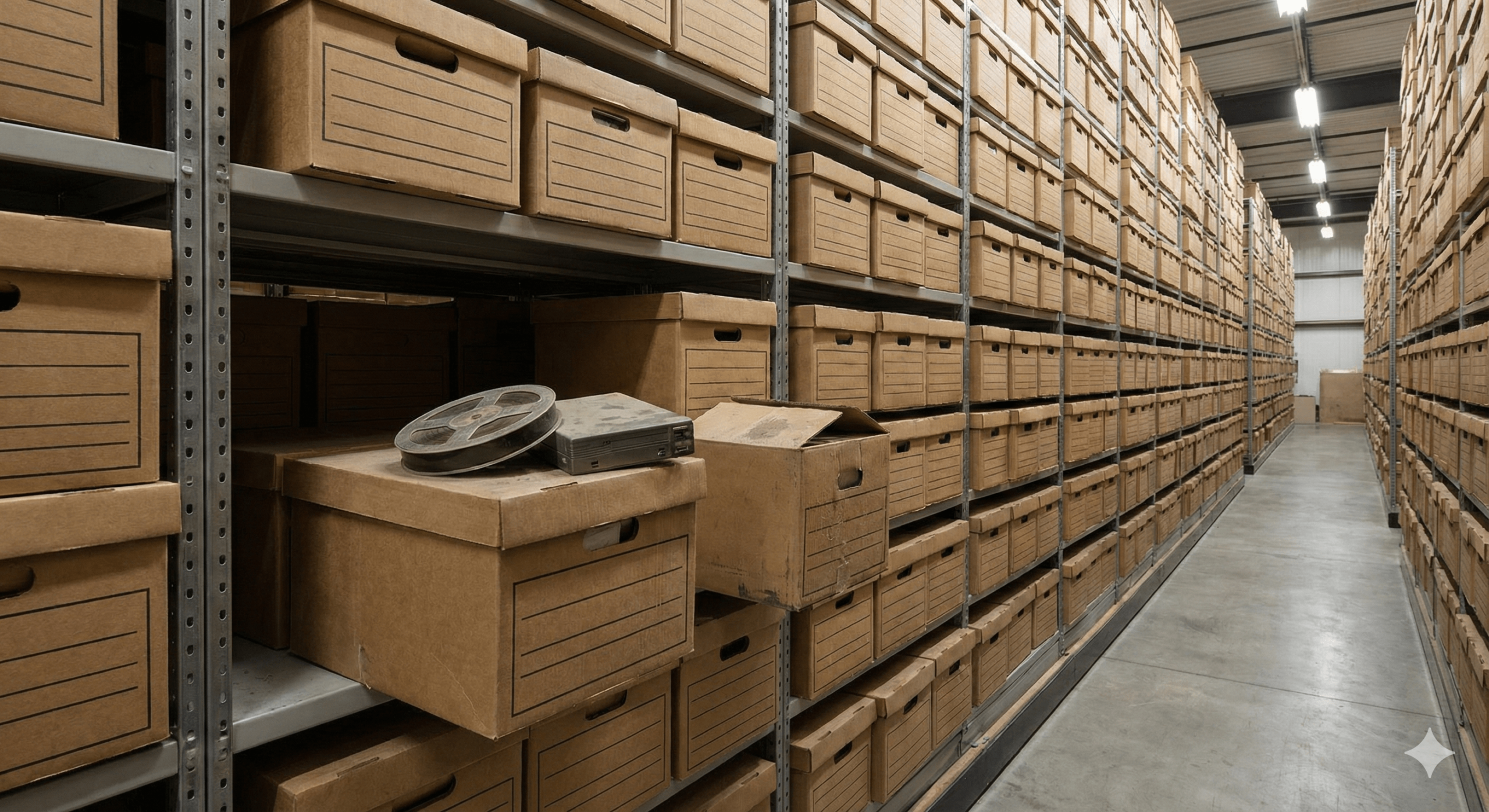
In a twist of timing, shortly after the new lawsuit was filed, CNRL discovered that its previous assertions were factually incorrect. In late 2020, as part of a massive internal project to inventory 8,028 boxes that had remained unreviewed since the 2006 acquisition, CNRL staff identified 285 boxes that were never supposed to have been in their possession. These boxes related to assets CNRL did not buy, and they had been sitting in offsite storage for fourteen years. Upon court-ordered inspection in July 2021, GSI found that twenty of those boxes contained its seismic data. Later that year, a search of CNRL’s electronic systems, prompted by GSI’s specific requests during a questioning session, revealed fourteen more lines of data that potentially matched GSI’s records.
GSI argued that the ten-year ultimate limitation period should be suspended because CNRL had “fraudulently concealed” its possession of the data. Under Alberta’s Limitations Act, the clock stops ticking if a defendant intentionally hides the fact that an injury has occurred. GSI contended that the 2017 affidavits, which claimed CNRL did not have the data, were false and constituted “equitable fraud.” If the court agreed, GSI’s lawsuit could proceed despite the passage of time. However, the chambers judge who first heard the application disagreed. The judge noted the “sheer volume” of boxes CNRL had to manage (over 35,000) and found that the misstatements in the affidavits were the result of “inadvertent error” and a “simple mistake.”
The Court of Appeal examined whether the chambers judge had made a mistake in her interpretation of fraud. The justices explained that “fraudulent concealment” is a broad concept in equity, designed to prevent a defendant from benefiting from unconscionable conduct. It can include the abuse of a confidential position or a deliberate concealment of facts. However, the appellate court found that the evidence supported the lower court’s finding of a genuine mistake. The boxes containing the GSI data had been set aside in 2006 to be sent to another company but were inadvertently left in storage and never opened or used by CNRL. Because CNRL was unaware it had the data, its prior statements were not “unconscionable.”
The appellate court also addressed GSI’s argument that the 2018 consent dismissal order should be set aside because it was based on CNRL’s misrepresentations. While the justices agreed that a consent order can sometimes be overturned for reasons other than fraud—such as mutual mistake or non-fraudulent misrepresentation—they concluded that the point was moot. Since the underlying claim was already barred by the ten-year limitation period, even setting aside the old dismissal order would not save GSI’s case. The court emphasized that the Limitation Act provides a hard “drop-dead” date for litigation to ensure certainty and finality in legal matters, and GSI had not met the high bar required to pause that timeline.
A significant portion of the appeal also focused on the $405,000 in costs that the chambers judge had ordered GSI to pay to CNRL. GSI argued that this amount was excessive, especially considering that CNRL had provided inaccurate evidence in the first lawsuit. GSI also challenged the use of “enhanced costs,” which are sometimes awarded when a party refuses a reasonable settlement offer. In January 2022, CNRL had offered to let GSI drop the case without paying any costs, but GSI refused, choosing to continue the litigation. The Court of Appeal found that CNRL’s offer was a genuine compromise at the time it was made, as CNRL had already spent significant sums on legal fees that it was willing to waive.
The appellate court upheld the costs award, noting that GSI had persisted in its fraud claims long after it should have realized they were unsustainable. The justices found no reviewable error in the chambers judge’s conclusion that CNRL’s approach to the litigation actually served to shorten the proceedings by seeking a summary dismissal instead of heading toward a full trial. The court rejected GSI’s characterization of CNRL’s conduct as “misconduct,” reaffirming that the core of the issue was a massive, good-faith logistical error rather than a scheme to deceive the court or the plaintiff.
Ultimately, the Court of Appeal dismissed the appeal in its entirety. The decision reinforces the strictness of limitation periods in Alberta and the high evidentiary burden placed on plaintiffs who allege fraudulent concealment. For GSI, the ruling marks the end of this specific pursuit against CNRL, concluding a chapter of litigation that spanned thirteen years. The case serves as a reminder of the legal complexities that can arise from large-scale corporate acquisitions and the long-term consequences of managing, or mismanaging, vast quantities of physical and digital records.
Read more about business cases in Canada here.