An Ontario Superior Court Justice has ruled that a strong, immediate instruction to a jury was sufficient to overcome the “significant risk” of prejudice after a key Crown witness refused to answer questions, stating he feared for his life1. The decision, released on October 29, 2025, by Justice Sunil S. Mathai, details why he dismissed a mistrial application in the trial of Janai Jean, who was ultimately found guilty by the jury of assault with a weapon.
The trial, which began on October 6, 2025, centred on an incident from October 2022. Mr. Jean faced charges of assault with a weapon and unlawful confinement. The jury returned its verdict on October 15, 2025, finding Mr. Jean guilty of the assault charge but not guilty of unlawful confinement. Before that verdict was reached, Mr. Jean’s counsel, C. Rosemond, brought an application to have a mistrial declared, arguing that testimony from a key witness had irreparably damaged the fairness of the trial. Justice Mathai dismissed that application on October 13, 2025, with these newly released reasons explaining his decision.
The Crown’s case alleged that Mr. Jean had abetted an assault and unlawful confinement by recording two videos of the incident. The man depicted committing the physical acts in the videos, Faysal Wiso, had already pled guilty to his role. The Crown alleged Mr. Jean was the videographer, and the videos themselves, entered as Exhibits 1 and 3, were central to the case.
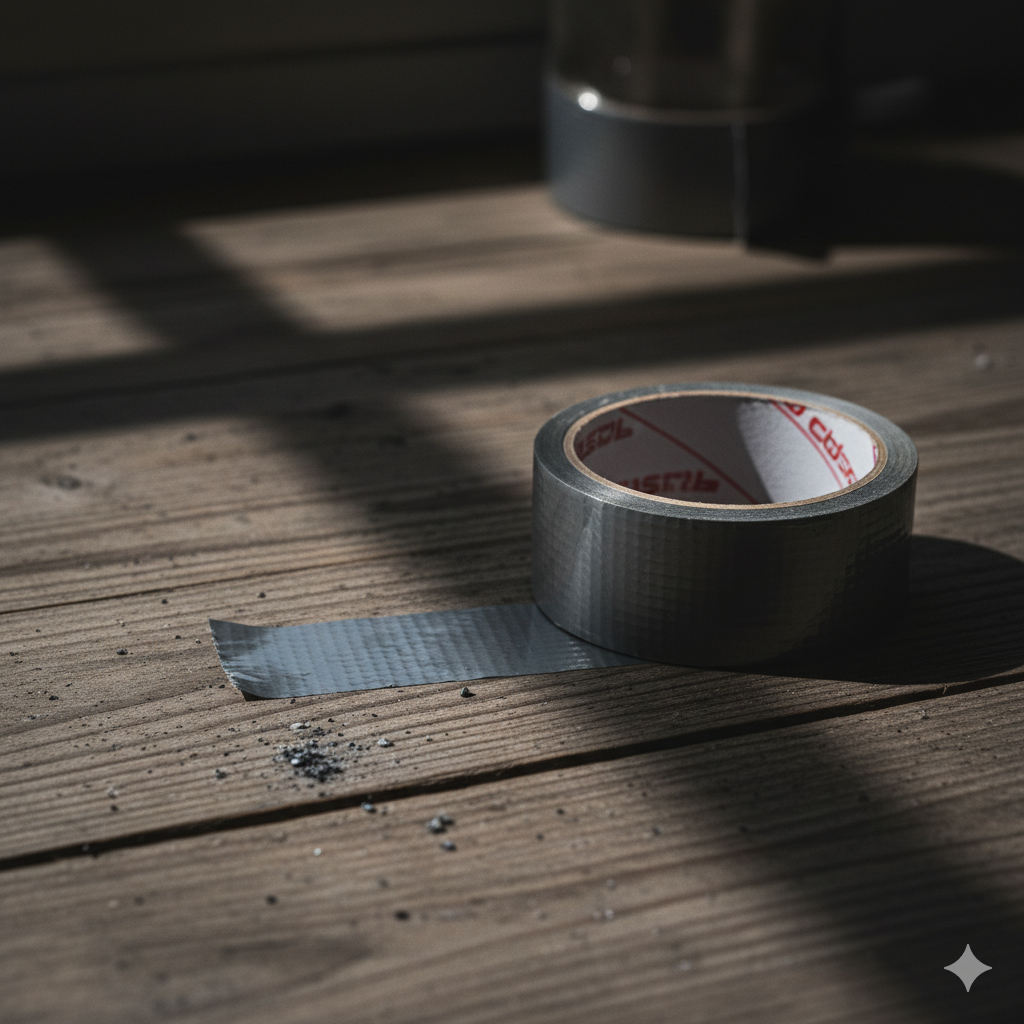
Justice Mathai’s reasons described the recordings in detail. Exhibit 1, a 27 second clip called the “Whipping Video,” shows a man on the ground with his pants down and hands duct taped. Another individual is seen duct taping the man’s mouth and whipping him. The person recording, whose face is not seen, is heard saying something like “oopie, you’re done on here” and laughs. The recorder also appears to drop ashes on the man, saying, “Ash on this fucking [unintelligible],” and states, “fucking ratted on mans, I told you, whoever rats on mans again, they are getting done with rough…”.
Exhibit 3, an 8 second clip called the “Rat Video,” shows the man on the ground being duct taped, slapped, kicked, and stomped on. The person recording is heard saying, “that’s for fucking calling the police, you don’t call the police, you don’t do that shit.” The judgment also notes that the person recording this video appears to kick the man on the ground.
To prove Mr. Jean was the videographer, the Crown called Mr. Wiso as a witness. Mr. Wiso had pled guilty to unlawful confinement on October 22, 2024. During his guilty plea, Mr. Wiso had been affirmed and agreed that he had assaulted and confined the man in the videos. Crucially, at that time, Mr. Wiso also agreed that Mr. Jean was the person who recorded the videos.
When Mr. Wiso was called to testify at Mr. Jean’s trial, however, he became what the judge described as a “reluctant witness.” On two occasions, in the absence of the jury, the judge had to “bind over” Mr. Wiso, who expressed he was scared to testify. On October 6, 2025, Mr. Wiso told the court, “I’m not scared of the accused, it’s, it’s the, like, it’s the reputation. That you guys want me to do, it’s, I can’t, it’s, it’s too dangerous to do… he’s treating me like I’m a casino gambling with my life, I can’t do this.” He added, “if I testify, I would literally have to move out… I have a family too.”
Mr. Wiso’s examination in chief began on October 8, 2025. He testified that he did not recall who recorded the videos because he was drunk and high at the time. When the Crown tried to refresh his memory with his own guilty plea, the attempts were unsuccessful. This led the Crown to bring an application to cross examine Mr. Wiso on his prior inconsistent statement, namely his admission that Mr. Jean was the videographer. Justice Mathai granted that application, finding that Mr. Wiso’s memory issues were “not genuine.”
Before the Crown began that cross examination, Crown Attorney G. Jarrar once again asked Mr. Wiso, in the presence of the jury, if he recalled who recorded Exhibit 3. Mr. Wiso’s answers, relayed through an Arabic interpreter, created the basis for the mistrial application.
After the judge clarified the question, the interpreter relayed Mr. Wiso’s response: “I don’t want to say anything.” Mr. Wiso then spoke again, and the interpreter translated: “I don’t want to say anything that would make me lose my life.”
Following this, Mr. Wiso asked to say a prayer, and the judge excused the jury. When testimony resumed, Mr. Jarrar again asked who recorded the video. Mr. Wiso responded, “Mr. Crown, I, I have to… I also have a family too just like you do… Your Honour, the people has to know that I have a family too, it’s not like I’m going to do this and go home. Like, there’s a risk attached to this too.” When pressed again if he remembered, Mr. Wiso said, “If I say anything I feel like I’m in trouble here like… I’d like to go home safe on the end of the day too, like.”
At this point, Justice Mathai excused the jury again and expressed his concern that the jury would speculate Mr. Jean was the source of Mr. Wiso’s safety concerns. Mr. Jean’s counsel agreed and argued that the only remedy for this prejudice was a mistrial.
Justice Mathai’s reasons state that he agreed with the defence that there was a “significant risk” of two forms of prejudice. The first was that the jury would speculate Mr. Jean, or someone connected to him, had threatened Mr. Wiso, painting Mr. Jean as a “bad or dangerous person.” The second was that the jury would speculate that, if not for this fear, Mr. Wiso would have identified Mr. Jean as the videographer.
However, Justice Mathai noted that a mistrial is a “remedy of last resort” reserved for the “clearest of cases.” He found that another remedy could redress the harm. At 4:32 p.m., about two hours after the jury heard the prejudicial comments, the judge recalled them and provided a strong, clear mid-trial instruction.
He instructed the jury that they “must disregard this evidence” about Mr. Wiso’s fears. He stated forcefully, “There is absolutely no evidence that Mr. Wiso has been threatened by Mr. Jean or anybody he is related to.” He explicitly forbade the jury from using the evidence to infer Mr. Jean was the cause of the fear, to find he was a “bad or dangerous person,” or to conclude he was the type of person who would commit the crimes charged. Justice Mathai reasoned that the timing of this instruction, delivered when the impugned evidence was “fresh in the jury’s mind,” helped remedy the prejudice.
Furthermore, Justice Mathai explained that he amplified this instruction in his final charge to the jury before their deliberations. He once again told them to disregard the evidence and added a specific instruction to address the second form of prejudice. He instructed that if the jury chose to reject Mr. Wiso’s evidence that he could not remember, they “cannot use that as evidence that Mr. Jean is the videographer nor can you speculate on what his answer would have been had he answered the question.”
The defence had relied heavily on a 1990 case, R. v. Pizzardi, where a mistrial was granted after a witness said he was in the Witness Protection Program because he feared the accused would kill him. Justice Mathai distinguished Mr. Jean’s case from Pizzardi on two key grounds. First, in Pizzardi, the witness explicitly identified the accused as the source of his fear; here, Mr. Wiso never testified that he feared Mr. Jean. Second, the Pizzardi judge found the witness’s placement in the Witness Protection Program served to “legitimize” the fear in the jury’s mind, a factor not present in Mr. Jean’s trial.
Justice Mathai also dismissed other arguments from the defence. He rejected the submission that jurors appeared “confused” during the instruction, stating his own observation was that three jurors were “nodding” as it was delivered. He also found that other potentially prejudicial evidence, such as rap lyrics in a separate video or Mr. Wiso’s comment that cross examination was “killing him” (which the judge found clearly meant “testing his patience”), was either insignificant or adequately addressed by other jury instructions.
Concluding his reasons, Justice Mathai stated, “I am confident that the mid-trial instruction, which was amplified by the final charge, adequately addressed the prejudice caused by Mr. Wiso’s impugned evidence.” For those reasons, the application for a mistrial was dismissed, allowing the trial to proceed.
Follow more crime stories here.