An Ontario Superior Court judge has ordered The Personal Insurance Company to disclose the specific reasons behind its decision to deny full insurance coverage in a lawsuit arising from a 2016 single-vehicle crash that left a young woman with catastrophic injuries1. The ruling addresses a significant procedural battle over whether an insurer, acting as a statutory third party, must reveal the factual basis for its off-coverage position during the pre-trial discovery process.
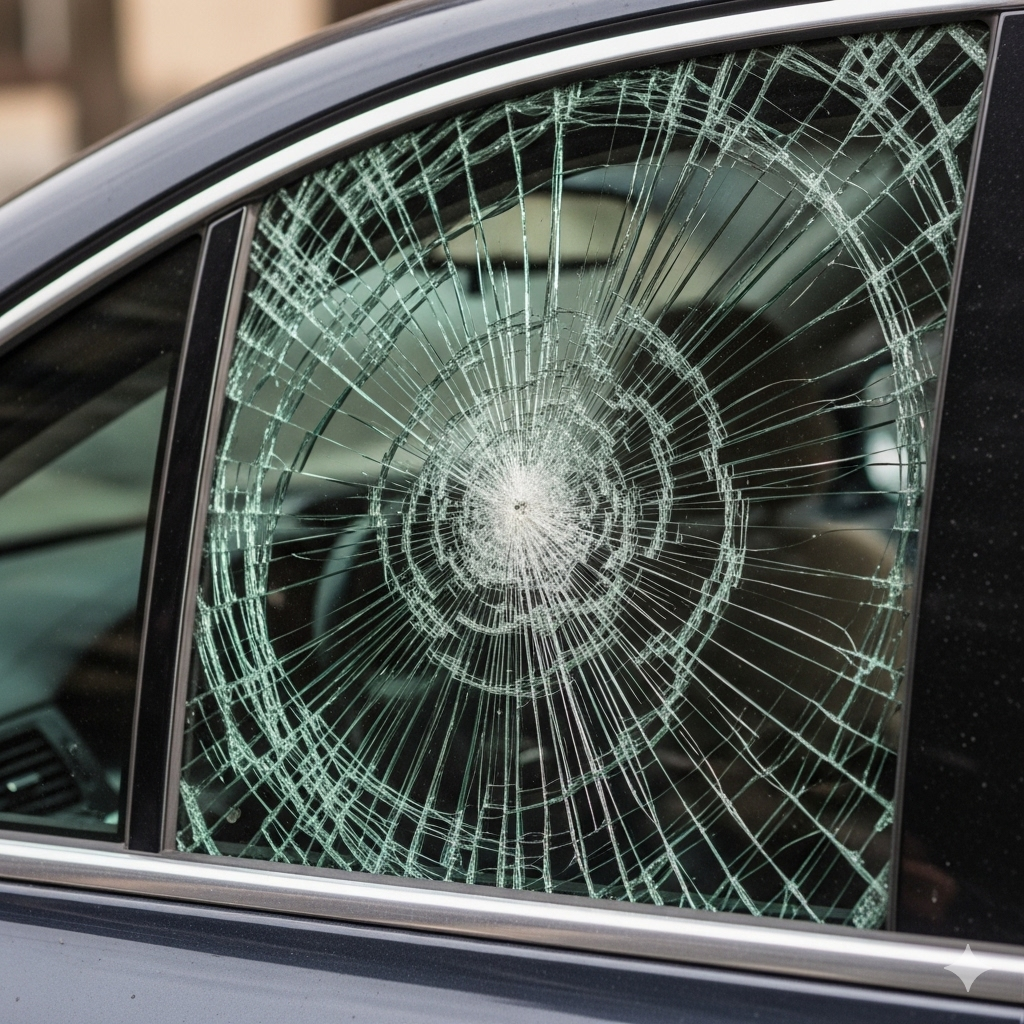
The case originates from a serious accident that occurred in the early morning hours of August 20, 2016. Lerrell Stennett was driving a vehicle owned by Jouvaine Stennett after leaving the Luxy Nightclub in an intoxicated state. While travelling on Highway 7 West near Kipling Avenue, she lost control of the vehicle and crashed into a pole. Kaijah Harris, who was 20 years old at the time and a passenger in the car, sustained catastrophic injuries. Following the accident, Ms. Harris and her mother, Velma Harris, launched a lawsuit against a number of defendants, including the driver, the vehicle owner, the nightclub and its associated security companies, and their own insurer, Allstate Insurance Company of Canada.
The vehicle involved in the crash was insured by The Personal Insurance Company under a policy held by the owner, Jouvaine Stennett, which provided for $1,000,000 in third party liability coverage. However, after conducting an investigation into the circumstances of the crash, The Personal took an "off-coverage" position. The insurer denied liability under the policy for both Lerrell and Jouvaine Stennett, asserting that there had been material misrepresentation and non-cooperation. By denying coverage, The Personal argued that its financial exposure was no longer the full $1,000,000 policy limit, but rather the statutory minimum of $200,000 as stipulated by Ontario’s Insurance Act.
Due to this denial, The Personal was added to the lawsuit on January 23, 2019, as a Statutory Third Party. This legal status allows an insurer to participate in and defend a legal action on behalf of its insured, even while it disputes its obligation to cover that insured's liability under the policy. The plaintiffs, meanwhile, had also included their own insurer, Allstate, in the lawsuit. Allstate provided uninsured and underinsured motorist coverage, which could potentially be triggered if the at-fault driver's available insurance was insufficient to cover the damages.
As the litigation progressed, the central issue of The Personal’s coverage denial became a major roadblock. During an examination for discovery on November 2, 2021, the plaintiffs’ lawyers questioned The Personal’s bodily injury adjuster, Debbie Hejno. The questions were aimed at understanding the specific facts and evidence that led the insurer to allege material misrepresentation and non-cooperation. Counsel for The Personal refused to allow Ms. Hejno to answer these questions, arguing that matters of insurance coverage are separate from the main liability issues of the accident and did not need to be disclosed during discovery.
The situation came to a head as settlement discussions advanced with the other defendants, including Lux Entertainment and Fortress Security. A tentative agreement was reached with these corporate defendants, which would have significantly narrowed the scope of the litigation. The primary unresolved matter was the amount of available insurance from The Personal. The plaintiffs proposed a plan to resolve the coverage dispute directly with The Personal before proceeding further, but the insurer did not agree, creating an impasse. The issue was brought before the court during two separate case conferences in December 2024, where two different judges directed the plaintiffs to file a formal motion to compel The Personal to provide the outstanding information.
In the motion heard by Justice C.F. de Sa, The Personal maintained its position that the questions were not relevant to the pleadings and that the information was protected by solicitor-client and litigation privilege. The insurer argued that its role as a statutory third party was simply to "step into the shoes" of the defendants to defend the liability claim, and that it was not required to explain its internal coverage decisions to other parties in the action.
Justice de Sa disagreed with the insurer's position. In his decision released on September 8, 2025, he acknowledged that coverage issues are distinct from the question of who was at fault for the accident. However, he concluded that this distinction does not make the information irrelevant to the overall litigation, nor does it excuse the insurer from timely disclosure. He pointed to Rule 31.06(4) of the Rules of Civil Procedure, which allows a party to obtain disclosure of "the amount of money available under the policy, and any conditions affecting its availability." The judge reasoned that it is of little value for a plaintiff to know the conditions of a policy without also knowing the facts that an insurer claims have triggered those conditions to deny coverage.
The decision leaned heavily on established legal precedent, particularly the 2011 Ontario Court of Appeal case of Maccaroni v. Kelly. That ruling established that a plaintiff has a right to obtain the particulars of a coverage denial from an insurer. Furthermore, it clarified that the plaintiff bears the burden of proving that the insurer's off-coverage position is correct in order to access their own underinsured motorist coverage. To meet this burden, the plaintiff must have access to the relevant facts. Justice de Sa noted that without this information, the plaintiffs in the Harris case could not properly assess their claim against their own insurer, Allstate.
Justice de Sa wrote that delaying the resolution of the coverage issue until the end of a potentially lengthy and expensive trial "makes no sense here," especially since the off-coverage position is the main issue remaining in contention. He was satisfied that the plaintiffs were entitled to documents and information relevant to The Personal’s coverage determination.
Ultimately, the court ordered The Personal to provide answers to the refused questions and undertakings within 30 days. While acknowledging that some documents may be protected by privilege, the judge clarified that the plaintiffs are still entitled to the factual information contained within them. He instructed that if The Personal has specific concerns about privilege or prejudice, it can seal the answers and submit them to the court for a private review. The court denied the plaintiffs' request for an in-person re-examination of Ms. Hejno, ruling that any follow-up questions could be handled more efficiently and cost-effectively in writing. As a final matter, Justice de Sa ordered The Personal to pay $5,000 in legal costs to the plaintiffs for having to bring the motion.