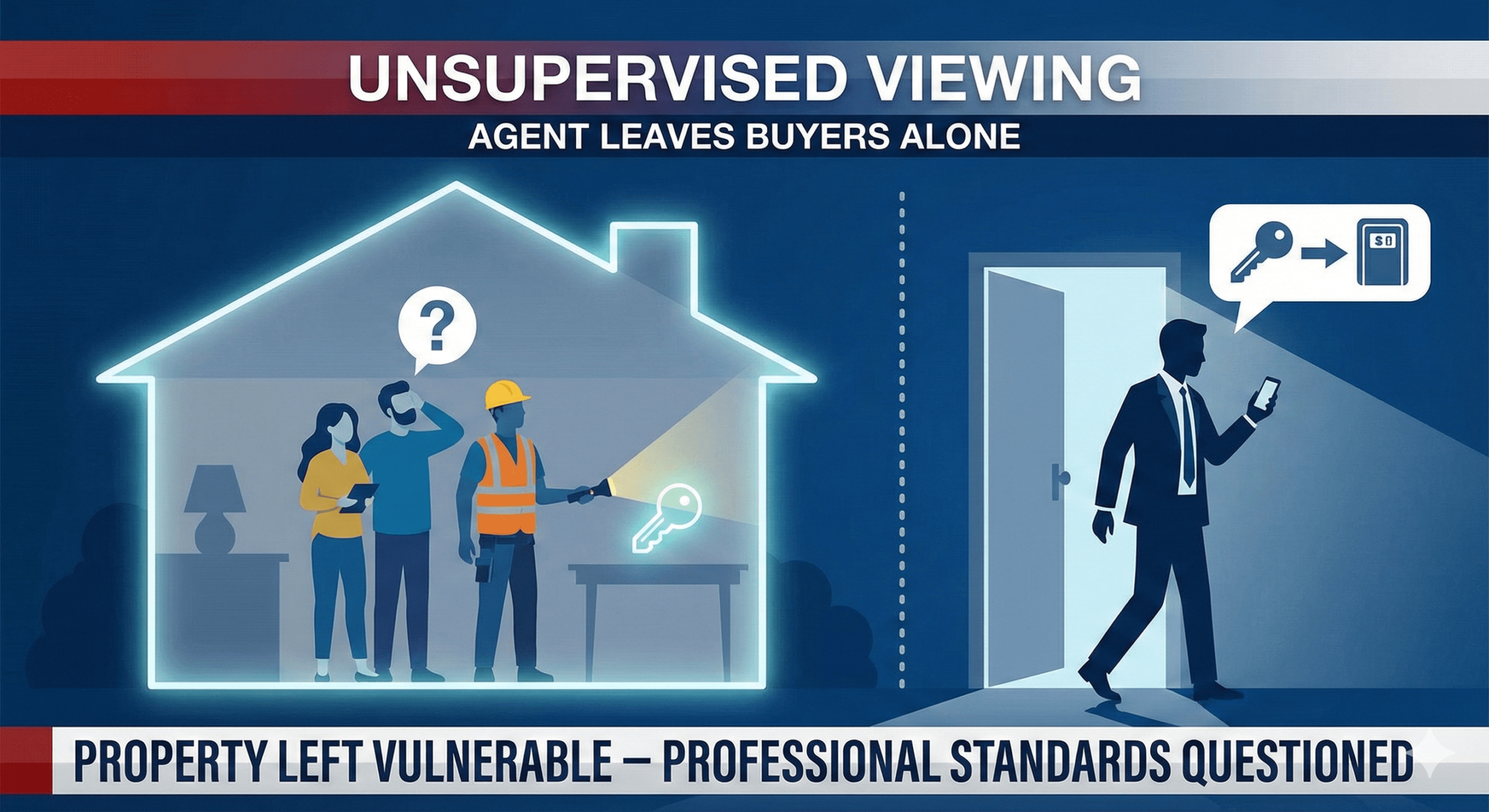
The Real Estate Council of Ontario has released a discipline decision involving Florian Qendro, a registered real estate broker who was found to have violated provincial regulations regarding the protection of property and professional conduct. The matter, which was resolved through an agreed statement of facts and a waiver of hearing, centered on two separate incidents occurring on the same day in September 2024. In both instances, potential buyers were permitted to enter residential properties without the required supervision of a registered real estate professional, leading to a significant fine and mandatory educational requirements for the broker involved.
At the time of the events in question, Mr. Qendro was employed as a broker with a firm identified in the proceedings as Brokerage C. The disciplinary process began following complaints regarding his handling of two different listings in two separate Ontario municipalities. The first property, located in a city referred to as City A, was being sold by two individuals represented by Brokerage A. The second property, located in City B, was represented by two other registrants from Brokerage B. Both properties were the subject of scheduled viewing appointments on the evening of September 18, 2024.

According to the factual record established by the Real Estate Council of Ontario, Mr. Qendro represented the prospective buyers for the first property in City A. He had arranged a viewing for his clients to take place between 7:00 p.m. and 7:30 p.m. on that September evening. However, when the time for the appointment arrived, the buyers entered the home using the lockbox code, but Mr. Qendro was not present to accompany them. During the subsequent investigation by the regulatory body, Mr. Qendro admitted that he had provided the lockbox code directly to his clients. This allowed them to access the private residence entirely on their own, a practice that is strictly regulated under Ontario law to ensure the security of sellers’ homes and belongings.
Simultaneously, a similar situation was unfolding at the second property in City B. Mr. Qendro also represented the buyers for this listing and had scheduled a viewing for the exact same time slot of 7:00 p.m. to 7:30 p.m. on September 18, 2024. While the first set of clients was at the property in City A, the second set of clients was attending the property in City B. In this instance, the representatives for the sellers visited the home during the scheduled appointment time and discovered the buyers inside the house. The buyers were not alone, as they were accompanied by a contractor they had brought along to inspect the premises. Crucially, Mr. Qendro was once again absent from the site.
In his formal response to the Real Estate Council of Ontario regarding the second property, Mr. Qendro stated that he had initially attended the appointment with his clients. However, he explained that he had to leave the premises early due to personal circumstances. Rather than ending the viewing or ensuring another registered professional was present to supervise, he left the buyers and their contractor alone in the home. He instructed the clients to complete their inspection and return the key to the lockbox themselves once they were finished. This left the property vulnerable and the buyers unsupervised in a home that was not their own.
The Real Estate Council of Ontario found that these actions constituted clear violations of the Trust in Real Estate Services Act, and its associated regulations. Specifically, the broker was found to have breached Section 22.5 of the General Regulation, which deals with the protection of property. This regulation explicitly states that a registrant shall not provide any person with access to real estate unless a registrant is present with that person or the owner of the real estate has provided written consent for such access. In both the City A and City B incidents, no such written consent had been obtained from the sellers or their representatives, and Mr. Qendro’s absence meant the primary requirement for professional supervision was not met.
The discipline committee also determined that Mr. Qendro’s conduct violated the Code of Ethics under the Act. Under Section 2 of the Code, registrants are prohibited from engaging in acts or omissions that could be regarded as disgraceful, dishonourable, unprofessional, or unbecoming of a registrant. Furthermore, the regulations prohibit conduct that is likely to bring the real estate sector into disrepute or undermine public confidence in the regulation of the profession. Facilitating unauthorized and unsupervised access to private residences is viewed by the regulator as a significant lapse in professional responsibility that impacts the safety and trust of the public.
The resolution of this case involved a joint submission from both the Real Estate Council of Ontario and Mr. Qendro. By signing the agreed statement of facts and penalty, Mr. Qendro acknowledged that he understood the nature of the violations and waived his right to a full disciplinary hearing. This process allows for an expedited resolution when the facts are not in dispute. The Chair of the Discipline Committee reviewed the agreement and the proposed penalties to ensure they were appropriate given the circumstances and the need to maintain professional standards within the industry.
As a result of the findings, the Discipline Committee ordered Mr. Qendro to pay a fine of $7,500. This amount is payable to the Real Estate Council of Ontario within four months of the decision date. In addition to the financial penalty, the broker is required to successfully complete a specific educational course titled Introduction to TRESA, which covers the updated legislative framework governing real estate professionals in Ontario. Proof of completion must be submitted to the regulator within 60 days of finishing the course, and the course itself must be completed within the same four month window as the fine payment.
This case serves as a reminder of the strict obligations placed on real estate brokers and salespersons regarding the handling of property access. The use of lockboxes and the distribution of access codes are central to the daily operations of the real estate market, but they are governed by rules designed to protect the privacy and security of homeowners. When a registrant fails to personally supervise a viewing or provide authorized access, they bypass the safeguards that the public relies upon when listing their homes for sale.
The decision was officially released on August 11, 2025. The Real Estate Council of Ontario continues to monitor compliance with the Trust in Real Estate Services Act to ensure that all registrants adhere to the professional standards required to protect consumers and the integrity of the real estate profession. The penalties imposed in this matter reflect the seriousness with which the regulator views the failure to protect the security of real property during the listing and sales process.
Read more cases about proceedings in regulated professions here.